
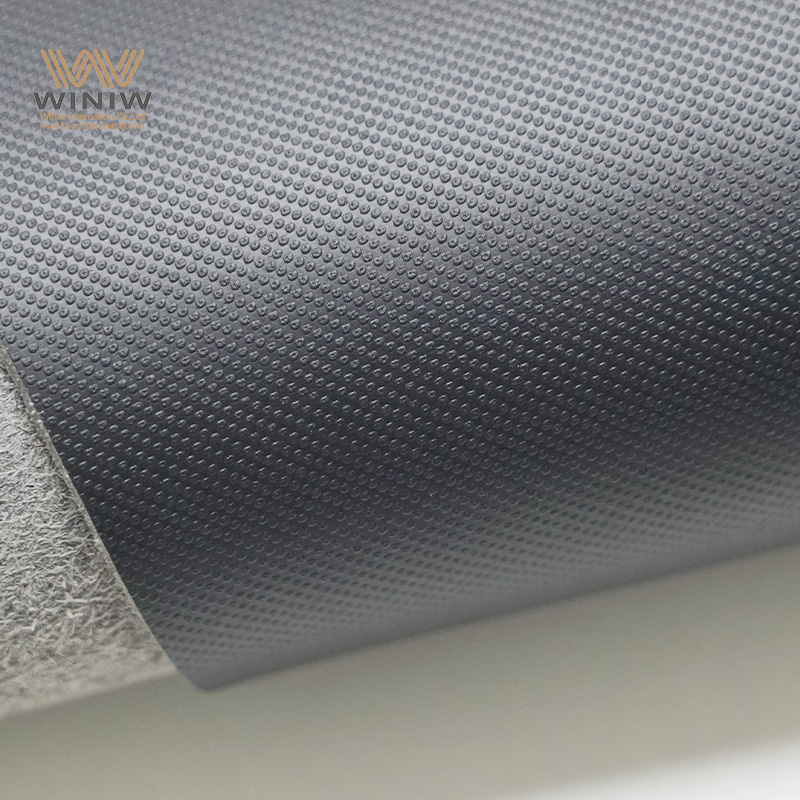
You encounter many types of safety shoes material in modern footwear. The choice of materials includes steel, अल्युमीनियम, कम्पोजिट, चमड़ा, माइक्रोफ़ाइबर, कपड़ा, रबड़, पीवीसी, पीयू, टीपीयू, और ईवीए. Each safety shoe materials selection fits specific components of a safety shoe, such as toe caps or soles. Safety shoes material impacts protection, आराम, और स्थायित्व. The right choice of materials improves safety footwear performance. You benefit from understanding safety shoe materials and their unique properties. Safety shoes material varies for uppers, लाइनिंग्स, और इनसोल. The choice of materials shapes how safety shoes protect you.
- Common safety shoe materials:
-
- इस्पात, अल्युमीनियम, कम्पोजिट
- चमड़ा, साबर, grained, चिकना
- माइक्रोफ़ाइबर, कपड़ा
- रबड़, पीवीसी, पीयू, टीपीयू, ईवा
-
The choice of materials influences the strength and comfort of safety footwear.
आधुनिक सुरक्षा जूते किस सामग्री से बनते हैं?
- Safety shoes use various materials like steel, अल्युमीनियम, and composite for toe caps. Each material offers different levels of protection and weight, impacting comfort during long shifts.
- Upper materials such as leather, माइक्रोफ़ाइबर, and textiles affect durability and breathability. Choose based on your work environment to ensure comfort and protection.
- Sole materials like rubber and PU determine slip resistance and comfort. For maximum durability and grip, opt for rubber soles; for lightweight comfort, consider PU or EVA.
घटक के अनुसार सुरक्षा जूते सामग्री
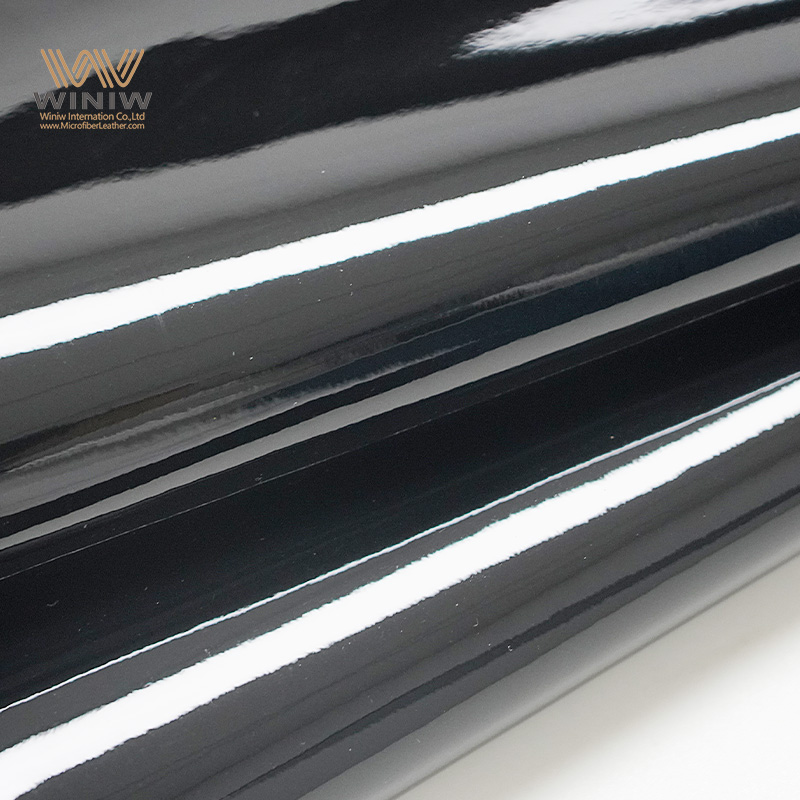
पैर की अंगुली टोपी सामग्री: इस्पात, अल्युमीनियम, कम्पोजिट
You rely on toe cap materials for protection against impact and compression. सुरक्षा जूते use steel, अल्युमीनियम, and composite options to shield your toes from heavy objects. Each material offers unique benefits and drawbacks.
| सामग्री | संघात प्रतिरोध | वज़न | संक्षारण प्रतिरोध |
|---|---|---|---|
| इस्पात | Excellent protection against heavy objects | Heavier than aluminum | Prone to rust without coating |
| अल्युमीनियम | अच्छी सुरक्षा, स्टील से भी हल्का | स्टील से भी हल्का | More resistant to corrosion than steel |
| कम्पोजिट | Reliable protection, very lightweight | Lightest option | Generally resistant to corrosion |
Steel toe caps provide the highest level of protection in safety footwear. You may notice that steel adds weight and can conduct heat or cold. Aluminum toe caps offer good protection with less weight, which helps reduce fatigue during long shifts. Composite safety shoes use non-metallic toe caps made from fiberglass, कार्बन फाइबर, or polycarbonate. These toe cap materials are very light and do not set off metal detectors. Composite safety shoes also resist corrosion and perform well in environments with electrical hazards.
Scientific studies show that composite safety shoes can outperform steel in stress and strain tests. You benefit from lower stress on your feet and better comfort. Composite safety shoes often use glass fibers oriented for maximum strength, which improves impact resistance.
बख्शीश: If you work in environments with metal detectors or electrical hazards, composite safety shoes offer the best combination of protection and convenience.
ऊपरी सामग्री: चमड़ा, माइक्रोफ़ाइबर, कपड़ा
The upper material of safety shoes affects durability, आराम, और सांस लेने की क्षमता. You find leather, माइक्रोफ़ाइबर, and textiles used in modern safety footwear.
| सामग्री | तन्यता ताकत (N/mm²) |
|---|---|
| चमड़ा | ≥ 15.0 |
| माइक्रोफ़ाइबर | ≥ 135 |
Leather uppers provide high durability and natural breathability. You experience comfort and a classic look, but leather requires regular maintenance and can be heavy. Genuine leather lasts for many years, जबकि सिंथेटिक चमड़ा offers affordability and easy cleaning. Synthetic options may not last as long and can feel less comfortable in hot conditions.
| कारक | Synthetic Leather Upper | असली लेदर |
|---|---|---|
| सहनशीलता | अच्छा, but may not last as long | Lasts for many years |
| आराम | Designed for comfort | Naturally breathable |
| लागत | अधिक किफायती | Generally pricier |
Microfiber uppers stand out for their high tensile strength. You benefit from resistance to tears and impacts, especially in harsh environments. Microfiber is lightweight and vegan-friendly, but it may not develop the same patina as leather. Textile uppers provide flexibility and breathability, making safety shoes more comfortable for long wear. तथापि, textiles may not offer the same abrasion resistance as leather or microfiber.
टिप्पणी: Choose upper material based on your work environment. Leather suits heavy-duty tasks, while microfiber and textiles work well for lighter jobs or hot climates.
अस्तर सामग्री: Breathable Fabrics, Synthetics
Lining materials in safety shoes help manage moisture and control odor. You find mesh fabrics and synthetic linings in most safety footwear.
- Breathable linings such as mesh fabrics and moisture-wicking fabrics enhance breathability and maintain comfort for the wearer.
- Safety shoes feature a breathable and moisture-wicking lining treated for odor control, which is essential for maintaining dry feet during long work hours.
- The bioDEWIX™ antimicrobial footbed insert includes NZYM™ technology, which aids in both odor control and moisture management.
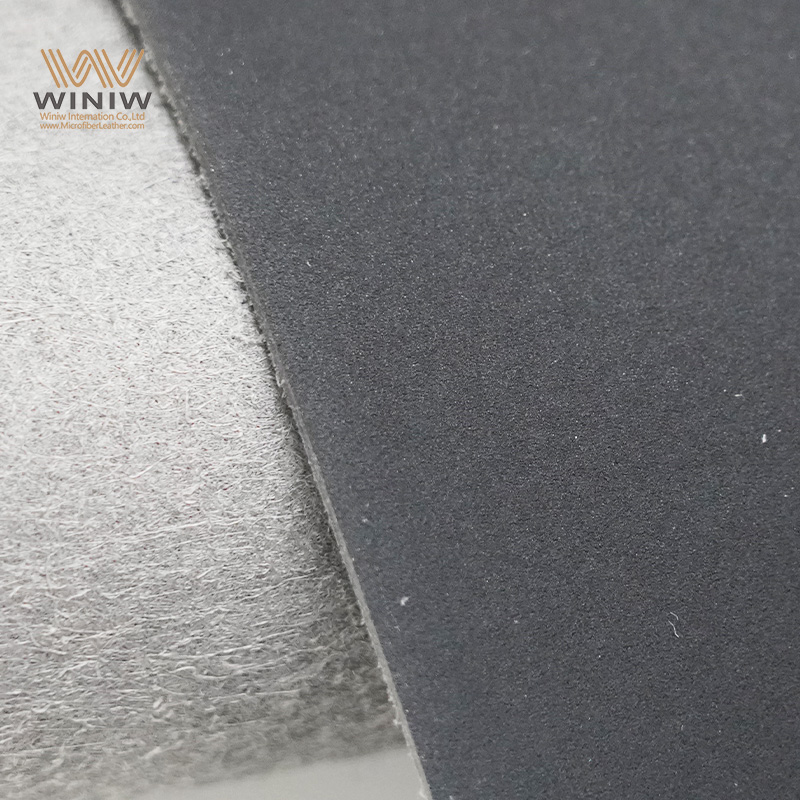
You stay comfortable and dry throughout your shift. Breathable linings allow air to circulate, reducing sweat and heat buildup. Moisture-wicking treatments help prevent odor and keep your feet fresh. Synthetic linings are easy to clean and resist wear, but they may not feel as soft as natural fabrics.
एकमात्र सामग्री: रबड़, पीयू, टीपीयू, पीवीसी, ईवा
The sole material in safety shoes determines slip resistance, टिकाऊपन, और आराम. You encounter rubber, polyurethane (पीयू), थर्माप्लास्टिक पॉलीयुरेथेन (टीपीयू), पॉलीविनाइल क्लोराइड (पीवीसी), and ethylene-vinyl acetate (ईवा) in modern safety footwear.
Slip resistance is crucial for safety shoes. Ratings SRA, एसआरबी, and SRC help you select the right footwear for your workplace.
| Rating | Testing Surface | विवरण |
|---|---|---|
| SRA | Ceramic tile with soap solution | Measures grip on slippery surfaces like clean, dry areas. |
| एसआरबी | Smooth steel with glycerol | Assesses slip resistance in oily or slippery conditions common in industrial settings. |
| SRC | Meets both SRA and SRB | Indicates the highest level of slip resistance across various environments. |
- SRA: Tested on ceramic tile surfaces treated with detergent, indicating grip on slippery surfaces.
- एसआरबी: Tested on steel floors coated with glycerol, assessing performance in oily conditions.
- SRC: The highest rating, meeting both SRA and SRB standards for optimal slip resistance.
Rubber soles excel in durability and slip resistance. You benefit from long-lasting support and abrasion resistance, especially in harsh conditions. Rubber maintains its shape and grip over time. PU soles offer lightweight comfort and good shock absorption, but they may not last as long as rubber. TPU soles combine flexibility and durability, making them suitable for demanding environments. PVC soles resist chemicals and water, but they may feel stiff. EVA soles provide soft cushioning and flexibility, but they compress and wear down quickly, losing support.
बख्शीश: If you need maximum slip resistance and durability, choose safety shoes with rubber soles. For lightweight comfort, PU or EVA soles work well in less demanding settings.
धूप में सुखाना सामग्री: फोम, ईवा, पीयू
Insole materials affect cushioning, आघात अवशोषण, and foot fatigue. You find foam, ईवा, and PU insoles in safety footwear.
| सामग्री | के लिए सर्वोत्तम | विशेषताएँ |
|---|---|---|
| PU Foam | Long-lasting support and durability | Dense structure with great impact protection, maintains shape under pressure |
| ईवा फ़ोम | Lightweight cushioning | कोमल, लचीला, excellent resilience, good shock absorption but compresses over time |
| सामग्री प्रकार | फ़ायदे |
|---|---|
| O-Foam | Superior energy return, enhanced shock absorption, responsive cushioning, lightweight feel. |
| Traditional EVA | Shock absorption, energy return, flexible support, thermal insulation. |
| Compressed EVA | High-density cushioning, moderate shock absorption, durability in low profile. |
O-Foam insoles enhance comfort and performance for active individuals. Traditional EVA reduces strain on joints and helps alleviate fatigue from prolonged standing. Compressed EVA provides support in tighter shoes while minimizing bulk. PU foam insoles deliver long-lasting support and maintain their shape under pressure, making them ideal for extended wear in industrial environments.
टिप्पणी: Select insole materials based on your activity level and comfort needs. PU foam works best for heavy-duty use, while EVA suits lighter tasks and offers more flexibility.
You see that every component in safety shoes uses specific materials to balance protection, आराम, और स्थायित्व. The choice of toe cap materials, upper material, परत, sole, and insole directly affects how safety footwear performs in your workplace. Composite safety shoes, leather uppers, and rubber soles each offer unique advantages. You should consider these factors when selecting safety shoes for your needs.
How Safety Shoe Materials Affect Performance
Protection and Safety Features
You depend on सुरक्षा जूते to shield your feet from workplace hazards. The choice of materials in each shoe part directly affects protection and impact resistance. स्टील से बनी टो कैप, कम्पोजिट, or alloy provide different levels of impact protection. उदाहरण के लिए, ASTM safety standards rate impact resistance by the force a toe cap can withstand:
| ASTM Rating | Impact Protection Level |
|---|---|
| F2413 I/75 | तक 75 फुट-पाउंड |
| F2413 I/50 | तक 50 फुट-पाउंड |
| F2413 I/30 | तक 30 फुट-पाउंड |
You should check that your safety footwear meets safety standards like ASTM F2413 or EN ISO 20345. These standards certify impact resistance, COMPRESSION, and puncture protection. Full-grain leather uppers and rubber outsoles add durability and shield against sharp objects. Composite toes offer impact protection without conducting heat or cold, which suits security-sensitive areas.
बख्शीश: Always match the materials in your safety footwear to the hazards in your workplace for maximum protection.
आराम और सांस लेने की क्षमता
You feel the difference when safety footwear uses quality materials for uppers and linings. Comfort depends on shoe length, width, गद्दी, and arch support. Ergonomic studies show that material properties, such as the amount of fabric and stitching type, influence overall comfort. Breathability and moisture-wicking linings help keep your feet dry and healthy. These features prevent moisture buildup, reducing the risk of athlete’s foot and odor. You benefit from shoes that combine impact protection with breathability for long shifts.
स्थायित्व और रखरखाव
You want safety footwear that lasts. Quality materials like leather and rubber extend the lifespan of your shoes, especially under heavy use. Most safety footwear lasts about 6–12 months with daily wear in tough jobs. In lighter environments, boots can last up to two years. Maintenance also depends on the materials. Leather requires regular cleaning and conditioning to prevent cracking. Microfiber and textile uppers need less care; you can brush off dirt and wash with mild soap. If you neglect maintenance or choose the wrong materials, you risk early failure and reduced protection.
- चमड़ा: Clean and condition often to maintain durability.
- Microfiber/Textile: Brush and wash gently; avoid soaking.
टिप्पणी: Invest in quality safety footwear and maintain it properly to maximize protection and durability.
You see that safety shoes use leather, माइक्रोफ़ाइबर, कपड़ा, steel, अल्युमीनियम, कम्पोजिट, रबड़, पीयू, टीपीयू, पीवीसी, and EVA for different components. Material choice shapes protection, आराम, और स्थायित्व.
- Leather and rubber boost durability.
- Microfiber and EVA improve breathability and agility.
Always match shoe materials to your job’s hazards for better safety.
अक्सर पूछे जाने वाले प्रश्न
What are the main types of safety shoes you can choose for work boots?
You can select work boots with steel toe, समग्र पैर की अंगुली, or anti-slip shoes. Each type offers unique protection for different job environments.
How do breathable materials improve comfort in water-resistant safety shoes?
Breathable materials allow air to circulate inside water-resistant safety shoes. You stay cool and dry, which helps with injury prevention during long shifts.
Why do safety specifications recommend durable materials for anti-slip shoes?
Safety specifications require टिकाऊ सामग्री in anti-slip shoes. You get better grip and longer wear, which helps prevent slips and keeps you safe at work.