
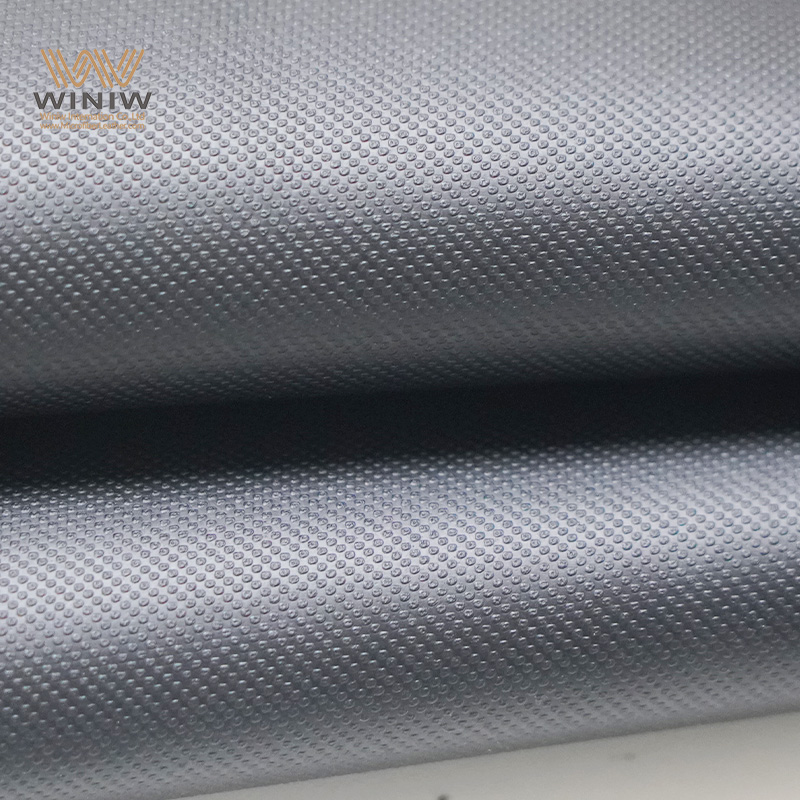
You can use an artificial leather sheet for many creative projects. Faux leather paper works well for book covers and different faux leather crafts. PU-based options offer a more eco-friendly choice compared to PVC. You avoid animal-based materials, but plastic-based sheets still impact the environment.
Key Takeaways
- Choose the right type and thickness of artificial leather for your project. Thicker sheets suit bags, while thinner ones work for wallets.
- Use sharp tools and proper techniques for cutting and sewing. Test your tools on scraps to ensure clean results.
- Maintain your artificial leather by cleaning gently and storing it properly. Avoid direct sunlight and humidity to extend its lifespan.
Choosing Your Artificial Leather Sheet
Types, Thickness, and Colors
When you start a project, you should choose the right artificial leather sheet for your needs. Many types exist, such as leatherette, Kirza, Naugahyde, Presstoff, Ultrasuede, Alcantara, Clarino, and Pantasote. Each type offers a unique texture and finish. You can find sheets in a wide range of colors and thicknesses. Thicker sheets work well for bags or organizers, while thinner ones suit wallets or book covers. Faux leather often costs up to 75% less than genuine leather, making it a budget-friendly choice for most DIY crafts.
Tip: Always match the thickness and flexibility of your artificial leather sheet to your project for the best results.
Essential Tools and Supplies
You need the right tools to work with artificial leather. Here are some essentials:
- Sharp scissors or a rotary cutter for clean cuts
- Heavy-duty needle for hand sewing
- Fabric or leather adhesives for gluing pieces together
- Cutting mat to protect your workspace
- Ruler and fabric marker for accurate measurements
A brayer helps secure the material on the cutting mat, and tape can keep edges from shifting.
Preparing and Cutting Tips
To achieve clean and precise edges, follow these steps:
- Place your artificial leather sheet front side down on the cutting mat.
- Use a ruler and marker to outline your design.
- Secure the sheet with tape or a brayer to prevent movement.
- Perform a test cut before the final cut.
- Keep your cutting tools sharp to avoid dragging.
You can also bevel or burnish the edges for a polished, professional look.
Techniques and DIY Project Ideas
Cutting and Sewing Artificial Leather Sheet
You can cut an artificial leather sheet with sharp scissors or a rotary cutter for clean lines. Use pattern weights to keep your material steady. Always test your tools on a scrap piece before starting your main project. When you sew, choose a leather needle or a sharp microtex needle. These needles help you avoid tearing the material. Use strong, abrasion-resistant thread like polyester or nylon. Set your stitch length between 3.0 mm and 4.0 mm. This prevents perforation and gives a neat finish.
Clips work better than pins because they do not leave holes. Adjust your presser foot pressure to avoid marks on the leather. You can use a roller foot or add matte tape to your presser foot for smoother feeding. Place tissue paper between the foot and the leather if you notice sticking. Avoid backstitching at the start and end of seams. Instead, tie off your threads with a secure knot.
Tip: Clean and condition your artificial leather sheet before sewing. This keeps your project looking fresh and professional.
Gluing and Embellishing
Gluing is a great way to join pieces or add decorations. Choose the right adhesive for your project. The table below shows two reliable options:
| Product Name | Description |
|---|---|
| Loctite Spray Adhesive Multi-Purpose | Works well for crafting projects and does not bleed through photos or thin materials. |
| Loctite Super Glue Gel Control | Ideal for porous surfaces and vertical applications. The gel formula gives you precise control. |
Apply glue in thin, even layers. Press the pieces together and let them dry completely. You can add embellishments like paint, heat foiling, or stamps. Use punches and cutters to create shapes or patterns. Try adding details with metallic pens or fabric paint for a custom look.
Note: Test your adhesive and embellishments on a scrap piece first. This helps you avoid mistakes on your main project.
Easy DIY Projects (Wallets, Coasters, Keychains)
You can start with simple projects to build your skills. Here are some beginner-friendly ideas:
- Keychains
- Leather bow cuffs
- Camera straps
- Tassel keychains
- Laptop cases
- Mouse pads
- Wallets
- Stamped coasters
- Rope jewelry organizers
- Potholders
- Plant pot holders
- Photo frames
For a basic wallet, cut two rectangles from your artificial leather sheet. Glue or sew the edges, leaving one side open. Add a snap or button for closure. For coasters, cut circles or squares and decorate with stamps or paint. Keychains only need small scraps and a metal ring. Punch a hole, add a design, and attach the ring.
Tip: Use clips to hold pieces together while glue dries or while sewing. This prevents shifting and keeps your edges aligned.
Home Decor Projects (Pillow Covers, Organizers)
Artificial leather sheets work well for home decor. You can make pillow covers, organizers, and more. Try these popular ideas:
- Furniture accents
- Curtains
- Upholstery
- Interior decor accessories
To make a pillow cover, cut two squares from your artificial leather sheet. Sew three sides together, insert a pillow, and close the last side with a zipper or Velcro. For organizers, cut pockets and attach them to a larger backing sheet. Use strong thread and reinforce stress points.
Callout: Faux leather does not fray, but raw edges can look unfinished. You can bevel or burnish the edges for a polished look.
Achieving Professional Results and Avoiding Mistakes
You can achieve a professional finish by preparing your materials and using the right tools. Learn how to use stamps, punches, and cutters for clean details. Try coloring and applying finishes to add depth. Always test your machine settings and adhesives on scraps. Avoid sewing through too many layers, as artificial leather can be bulky. Do not over-wet the surface when cleaning, and avoid abrasive tools.
Expert Tip: Add details with heat foiling or metallic pens for a unique touch. Watch tutorials to see practical techniques in action.
By following these steps, you can create stylish and durable projects with artificial leather sheets.
Care and Maintenance
Cleaning Artificial Leather
You can keep your artificial leather projects looking new with proper cleaning. Start by dusting with a soft, dry cloth or a gentle brush. This removes loose dirt without scratching the surface. For deeper cleaning, mix mild soap with lukewarm water. Dip a cloth in the solution and wipe the leather gently. Avoid soaking the material, as too much moisture can cause damage. If you notice stains, blot them with the same mild soap solution. Do not rub hard, since this can wear out the finish.
Note: Never use bleach, acetone, or ammonia-based cleaners. These chemicals can break down artificial leather and cause discoloration.
You may use a water-based, non-greasy conditioner sparingly to keep the material supple. Always keep your projects away from direct sunlight and heat sources. Sunlight can fade colors and weaken the material over time. High humidity can trigger chemical reactions that produce acids, leading to deterioration and yellowing.
Storing Finished Projects
Proper storage helps your artificial leather crafts last longer. Store your items in a cool place with low humidity. Avoid sun exposure, which can weaken and fade the material. Use breathable storage materials to allow air circulation. This prevents moisture buildup and keeps your projects fresh.
Keep the shape of your items by avoiding folding. Use shaping tools or stuff pillow covers and bags to maintain their form. In humid environments, sulfur and nitrogen compounds can form acids that damage artificial leather, similar to the effects of acid rain.
Tip: Regular care and mindful storage protect your creations and extend their lifespan.
You can create stylish crafts with artificial leather sheets by choosing the right type, using proper tools, and following simple techniques. Many crafters love the results:
★★★★★ Excellent wrap! I’ll definitely be ordering more wraps.
Tammy Spain-McBee, Akron, AL
Try your own projects and share your experiences!
FAQ
Can you sew an Artificial Leather Sheet with a regular sewing machine?
You can sew an Artificial Leather Sheet with most home machines. Use a leather needle and adjust stitch length for best results.
What glue works best for Artificial Leather Sheet projects?
You should use fabric glue or super glue gel. These adhesives create strong bonds without damaging the Artificial Leather Sheet.
How do you prevent wrinkles in Artificial Leather Sheet crafts?
Store your Artificial Leather Sheet flat. Avoid folding. Use gentle heat from a hair dryer to smooth minor wrinkles.