
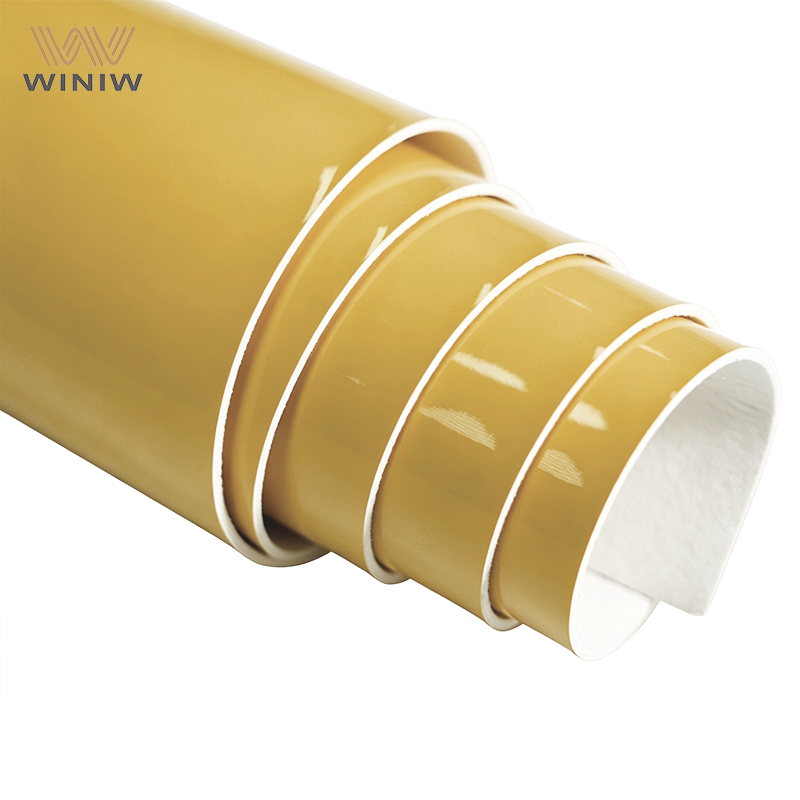
You use Pu Coating Material to protect surfaces and give them a smooth, durable finish. This material stands out for its moisture resistance and versatility. You find it in cars, buildings, ۽ فرنيچر.
- The global market reached آمريڪي ڊالر 23,198.72 ملين ۾ 2025, مضبوط واڌ جي توقع سان.
- The automotive industry uses 32.1% of all polyurethane coatings.
اهم ترڪيبون
- PU coating material offers excellent protection against water, ڪيميائي, ۽ UV شعاع, making it ideal for various applications like automotive and construction.
- The manufacturing process of PU coatings allows for customization, enabling the creation of مصنوعات that meet specific durability and environmental needs.
- Choosing bio-based or recycled PU coatings can significantly reduce environmental impact, supporting sustainability in various industries.
What is PU coating material?
Polyurethane Basics
توهان ملن ٿا PU coating material in many everyday products. This material comes from a chemical reaction between two main ingredients: diisocyanates and polyols. When these two components mix, they form a strong polymer called polyurethane. This polymer creates a flexible yet tough layer that protects surfaces from damage.
ٽپو: You can think of polyurethane as a chain made up of repeating links. Each link adds strength and flexibility to the final product.
Here’s a simple breakdown of the structure that makes PU coating material so effective:
| جزو | Role in Structure |
|---|---|
| Diisocyanates | React with polyols to form urethane linkages |
| پوليوولس | Combine with diisocyanates to create the polymer |
| Urethane groups | Link the alternating chains of monomers |
| Crosslinked structure | Provides durability and thermal stability |
You get a material that stands up to wear and tear. The crosslinked structure in polyurethane gives PU coating material its famous durability and resistance to heat.
Key Features of PU
When you choose PU coating material, you benefit from a range of protective qualities. This material forms a barrier that shields surfaces from water, ڪيميائي, and sunlight. Compared to other coatings, PU offers higher mechanical strength and better resistance to cracking. You also enjoy excellent performance in harsh or wet environments.
Here’s how PU coating material compares to other polymer coatings:
| Protective Quality | Polyurethane Coatings | Other Polymer Coatings |
|---|---|---|
| مشيني طاقت | Higher mechanical strength | مختلف |
| Elongation and Crack-Bridging Ability | Very high elongation and crack-bridging ability | Generally lower |
| Hydrostatic Pressure Resistance | Excellent resistance to hydrostatic pressure | محدود |
| Environmental Suitability | Suitable for harsh, confined, or long-term wet environments | مختلف |
| UV مزاحمت | Excellent UV-resistance | محدود |
| ڪيميائي مزاحمت | Resistant to a broader range and concentrations of chemicals | مختلف |
| Impact and Abrasion Resistance | Excellent impact and abrasion resistance | Generally lower |
| ڊگھي عمر | Up to four times longer life than uncoated epoxy floors | مختلف |
You see PU coating material used in many industries because of these features. مثال طور, you find it on car parts, building surfaces, and even in furniture. The versatility of PU means you can use it for both protection and decoration.
- You benefit from rapid curing times, which help speed up production.
- You get enhanced durability, making PU ideal for demanding jobs.
- You can choose from many formulations, so manufacturers can meet your specific needs.
- You support sustainability, as some PU coatings offer environmental benefits.
PU coating material also stands out for its durability. You can expect strong adhesion, even after long exposure to water. مثال طور, polyurethane coatings keep ڪان وڌيڪ 3.5 MPa adhesion strength after 24 months in seawater, while acrylic coatings drop below 2.0 ايم پي اي. You also see less than 5% weight loss after 1,000 hours of chemical exposure. Gloss retention stays above 80% after 2,000 hours of weathering, and wear resistance is two to three times greater than acrylics. Over five years, you can reduce maintenance costs by up to 35% compared to other options.
When you need a reliable, ڊگھي عرصي وارو, and adaptable solution, PU coating material gives you the performance you want. You can trust it to protect and enhance a wide range of surfaces.
Polyurethane ڪوٽنگ عمل
Raw Materials for PU Coatings
You start with several key ingredients when making pu ڪوٽنگ. Polyols form the main chemical base of pu, and you usually source them from petroleum feedstock. You can also use recycled materials like PET, پي يو, and PC wastes, which manufacturers convert into polyols for new pu products. Bio-based polyols come from vegetable oil, cashew nut shell liquid, plant straw, terpene, lignin, and biodegradable materials such as polylactic acid and polycaprolactone. These options help you create polyurethane coatings that support sustainability and reduce environmental impact.
- پوليوولس (petroleum-based)
- ٻيهر استعمال ٿيل مواد (پي اي ٽي, پي يو, PC wastes)
- Bio-based polyols (vegetable oil, plant straw, lignin, biodegradable sources)
How PU Coating is Made
You produce pu coatings through a chemical reaction between polyols and diisocyanates. This reaction forms urethane linkages, which give polyurethane its flexibility and resilience. Diisocyanates act as crosslinking agents, providing strength and stability to the final pu product.
| جزو | Role in PU Coating Production |
|---|---|
| پوليوولس | React with isocyanates to form urethane linkages, influencing flexibility and resilience of the final product. |
| Diisocyanates | Serve as crosslinking agents, providing strength and stability to the polyurethane materials. |
| Reaction Type | Isocyanate and polyol react to form polyurethane through the isocyanate polyol reaction, producing byproducts. |
You see that the choice of starting materials affects the properties of pu coatings. مثال طور, higher hydroxyl functionality in polyol increases complexity in the structure due to crosslinking. The ratio of isocyanate to polyol changes mechanical properties and waterproof performance.
You follow several main steps to manufacture polyurethane-coated textiles and other pu products:
- Prepare the fabric by cleaning and stabilizing it.
- Apply the pu coating using methods like knife coating, pad-dry cure, or hot melt extrusion.
- Laminate a pre-made polyurethane film onto the substrate with thermal or adhesive bonding.
- Use techniques such as yarn coating, spread coating, dipping, or calendaring to achieve specific waterproof and performance characteristics.
You must wear personal protective equipment and ensure proper ventilation during production. These steps protect you from exposure to isocyanate vapors and chemical spills.
ٽپو: Always clean and dry the substrate before applying pu coatings. This step improves adhesion and prevents bubbling.
PU Coating Properties and Uses
PU Coating Performance
You rely on pu coatings to protect your garment and fabric from water, پائڻ, and harsh conditions. These coatings deliver permanent waterproof treatment, making them ideal for outdoor clothing and breathable pu fabric. You see polyurethane used in textiles because it combines پنروڪ, استحڪام, ۽ سانس جي صلاحيت. The microporous structure lets moisture escape while blocking water, so you stay comfortable.
| خاصيت | وصف |
|---|---|
| پاڻي ڀرڻ | PU coatings provide permanent impermeability, keeping water out. |
| پائيداري | You get resistance to wear and tear, extending the life of your garment. |
| ساهه کڻڻ | Microporous technology releases moisture, ensuring comfort in outdoor clothing. |
Advantages and Disadvantages
You benefit from several advantages when you choose pu coatings for your garment and textiles:
| فائدو | وصف |
|---|---|
| پائيداري | Ideal for high-wear applications like tent floors and outdoor clothing. |
| پاڻي ڀرڻ | Protects fabric from moisture, supporting permanent waterproof treatment. |
| ساهه کڻڻ | Allows moisture vapor to escape, keeping garments comfortable. |
| ماحولياتي اثر | More eco-friendly than traditional treatments, reducing harmful effects. |
بهرحال, you should consider some disadvantages:
- Inadequate tensile strength at high temperatures.
- Poor thermal stability and low conductivity.
- Insufficient anticorrosive qualities.
- Flammable if exposed to certain chemicals or heat.
- Susceptible to yellowing, especially in clear coatings.
- Difficult to repair due to inflexible nature.
Common PU Coatings Uses
You find pu coatings in many industries. Construction uses polyurethane for roof coatings and architectural finishes, حساب ڪتاب 45% of demand. Automotive and industrial sectors use pu for protective finishes and lightweight durability, making up 30% ۽ 25% of demand. You see pu in textiles for مصنوعي چمڙي, راندين جو لباس, and garment applications. Wood and furniture benefit from polyurethane applications for durable finishes. Electrical and electronics use pu coatings to insulate components and protect against moisture.
- اڏاوت: Roof coatings, architectural finishes.
- گاڏين وارو: Protective finishes, lightweight durability.
- صنعتي: Equipment coatings, ڪيميائي مزاحمت.
- ڪپڙو: مصنوعي چمڙي, راندين جو لباس, garment, breathable pu fabric.
- Wood & فرنيچر: پائيدار, aesthetic finishes.
- اليڪٽرانڪس: Moisture-resistant insulation.
Environmental Impact of PU
You must consider the environmental impact of pu coatings. Production creates a high carbon footprint due to petroleum-based raw materials. Manufacturing releases volatile organic compounds and hazardous pollutants. Disposal is challenging because polyurethane is a thermoset polymer, which persists in landfills and resists recycling. Recent innovations include bio-based polyols and CO2-based polyurethane, which reduce fossil fuel use and promote sustainability. Regulatory standards push for safer, recyclable, and biodegradable formulations. You see progress, but recycling and biodegradability remain difficult for pu coatings compared to acrylics.
نوٽ: You can support sustainability by choosing garments and textiles made with bio-based polyurethane and recycled materials.
توهان استعمال ڪريو PU coating material to create پائيدار, پاڻي جي مزاحمتي, and breathable surfaces. The manufacturing process lets you customize properties for outdoor gear, فرنيچر, ۽ صنعتي استعمال.
| فائدو | وصف |
|---|---|
| پنروڪ | Repels water for outdoor applications. |
| پائيداري | Extends product lifespan and resists abrasion. |
| ساهه کڻڻ | Maintains comfort by allowing moisture escape. |
| ماحولياتي پہلو | وصف |
|---|---|
| مواد جي فراهمي | Choose bio-based options to lower carbon footprint. |
| End-of-Life Options | Look for recyclable or biodegradable polyurethanes. |
- Select PU coatings with easy application and proven reliability.
- Balance quality and budget for long-term value.
FAQ
What surfaces can you apply PU coating to?
توهان استعمال ڪري سگهو ٿا PU coating on fabric, wood, ڌاتو, concrete, ۽ پلاسٽڪ.
ٽپو: Always clean the surface before applying for best results.
How do you maintain PU-coated items?
You wipe PU-coated surfaces with a damp cloth. سخت ڪيميائي کان بچاء.
- Store items away from direct sunlight.
- Repair scratches with a PU repair kit.
Is PU coating environmentally friendly?
| Option | Impact |
|---|---|
| Petroleum-based | Higher carbon footprint |
| حياتياتي بنيادن تي | گھٽ ماحولياتي اثر |
توهان چونڊيو bio-based PU for a greener solution.