
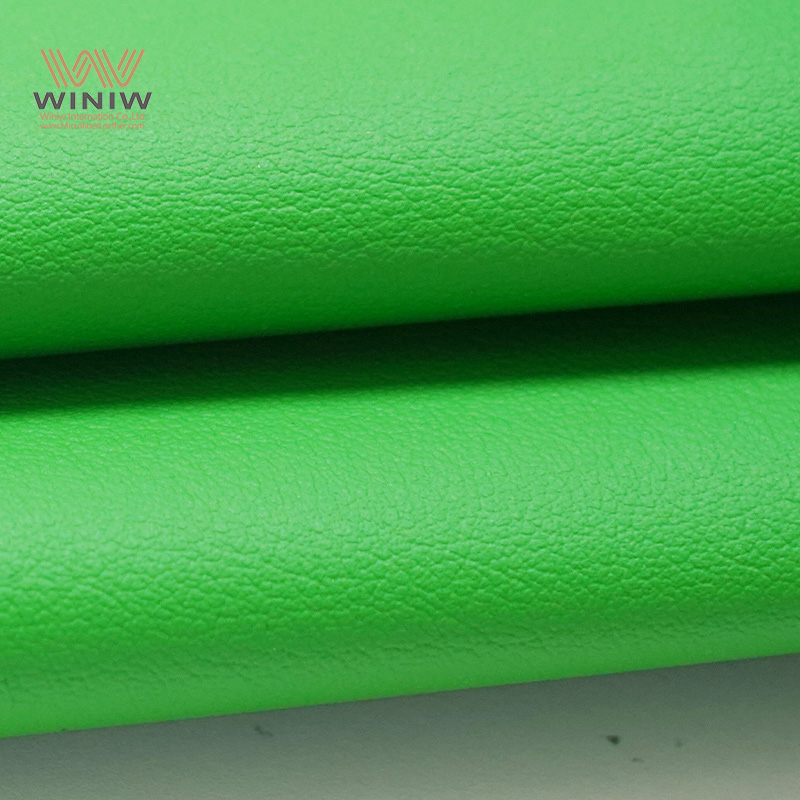
You notice that pu kitambaa cha ngozi stands out from other faux leathers because it closely mimics real leather in look and feel. PU ngozi uses synthetic materials and offers a vegan alternative.
- PU ngozi ya syntetisk makes up over 57.07% of the global synthetic leather market in 2024.
Ni nini hufanya kitambaa cha ngozi cha PU kuwa tofauti na ngozi zingine bandia
- PU ngozi is a vegan alternative to real leather, imetengenezwa na polyurethane, offering a stylish and cruelty-free option.
- Compared to other faux leathers, PU leather is soft, kunyumbulika, na ya kupumua, making it ideal for clothing and furniture.
- While PU leather is budget-friendly and easy to maintain, it has a shorter lifespan of 3-5 years and may not be fully waterproof.
What Is PU Leather Fabric?
What Is PU Leather Made Of
You might wonder what is pu leather made of and how it stands out among other materials. PU leather fabric uses a synthetic material called polyurethane as its main component. Manufacturers create this material by combining a diisocyanate and a polyol, which results in a durable polymer. This process forms the foundation of polyurethane leather, giving it the flexibility and strength you often see in everyday bidhaa.
To make pu leather, producers apply a layer of polyurethane polymer onto a base fabric. This base usually consists of polyester, pamba, or canvas. The process also involves chemical additives such as plasticizers, vidhibiti, and colorants. These additives enhance the appearance, muundo, and durability of the final product. When you ask what is pu leather made of, you find that the answer lies in this combination of synthetic material and fabric base.
PU leather fabric does not use animal products, making it a vegan and cruelty-free choice. The synthetic nature of this material allows you to enjoy the look and feel of real leather without the ethical concerns. As a type of ngozi ya bandia, it offers a practical alternative for those who want style and sustainability.
Kidokezo: If you seek a leather-like appearance with a lower environmental impact, pu leather fabric provides a strong option due to its synthetic material base.
PU Ngozi dhidi ya. Faux Leather Types
You will encounter several types of ngozi ya bandia in the market, each with unique properties. PU leather stands out because of its soft, kunyumbulika, and breathable qualities. When you compare it to other synthetic leather options, you notice clear differences in structure and performance.
- PU ngozi: Manufacturers coat a fabric base, usually polyester or cotton, with polyurethane. This method creates a soft, kunyumbulika, and breathable material. You will find pu leather fabric in clothing, viatu, samani, na mambo ya ndani ya magari.
- Ngozi ya PVC: This type uses polyvinyl chloride as the coating. It feels stiffer and less breathable than pu leather. PVC leather is almost 100% isiyo na maji, making it suitable for applications where water resistance is crucial, but it lacks the comfort and softness you get from pu leather fabric.
- Ngozi ya Microfiber: This material features a dense, mtandao wa nyuzi tatu-dimensional. It offers superior strength, kubadilika, and breathability compared to pu leather. Microfiber leather maintains its comfort and resists wear and hydrolysis better over time.
| Kipengele | PU ngozi | Ngozi ya Microfiber |
|---|---|---|
| Muundo | Simpler base fabric with coating | Dense, mtandao wa nyuzi tatu-dimensional |
| Kudumu | Less resistant to wear and tearing | Superior resistance to wear and hydrolysis |
| Kubadilika | Tends to stiffen and crack | Maintains flexibility and comfort over time |
You will also see that pu leather fabric leads the market in wearable applications. It dominates the synthetic leather segment, especially in fashion and automotive industries. The soft feel and breathability of pu leather make it a preferred choice for jackets, viatu, mikoba, viti vya gari, and steering wheel covers.
When you compare the breathability and softness of pu leather to other faux leathers, you find that it offers more comfort than PVC leather. Ngozi ya Microfiber, hata hivyo, surpasses both in softness and breathability. If you prioritize water resistance, PVC leather performs best, but it sacrifices comfort and flexibility.
Kumbuka: PU leather fabric continues to evolve with technological advancements. Newer versions use bio-based polyurethane, recycled content, and smart coatings to improve performance and sustainability.
Faida na hasara za PU Leather
Advantages of PU Leather
When you look at the pros and cons of pu leather, you notice several clear benefits. Many people choose pu leather because it is bajeti-kirafiki na rahisi kutunza. Unaweza kuitakasa kwa kufuta rahisi, which makes it practical for daily use. If you want a vegan leather option, pu leather gives you a cruelty-free alternative to genuine leather. You also find that pu leather is available in many colors and textures, so you have more choices for fashion and nyumbani mapambo. For those who ask, “is pu leather vegan,” most types are, but always check the label to be sure.
- PU leather is affordable, making it accessible for students and families.
- You spend less time and effort on cleaning and maintenance.
- It offers a wide range of styles and colors.
- Most pu leather is vegan, appealing to those who avoid animal products.
- If you wonder, “is pu leather waterproof,” it resists water better than genuine leather, though it is not fully waterproof.
Disadvantages of PU Leather
You should also consider the drawbacks before choosing pu leather. Ni does not last as long as genuine leather. When you ask, “how long does pu leather last,” you usually get 3 kwa 5 years of use before it cracks or peels. The surface can feel less breathable, making it uncomfortable in hot weather. Some people notice a chemical or plastic smell, especially when the product is new. In high-traffic areas, pu leather can wear down quickly, especially if exposed to moisture or sunlight. Tofauti na ngozi halisi, it does not develop a patina and loses its shine over time.
| Nyenzo | Muda wa maisha (Miaka) | Vidokezo |
|---|---|---|
| PU ngozi | 3-5 | Prone to peeling and cracking |
| Ngozi ya Vegan ya Microfiber | 2-5 | Similar issues with hydrolysis |
| Ngozi ya Kweli | 10-30 | Significantly longer lifespan |
Athari kwa Mazingira
You may wonder about the environmental effects of pu leather compared to other faux leather types. While pu leather is more eco-friendly than PVC leather, it still raises concerns. It is made from petrochemicals and does not biodegrade, so it can contribute to pollution and microplastic waste. Almost half of pu leather waste ends up in landfills, and recycling options remain limited. Microfiber vegan leather sometimes uses fewer harmful chemicals and can be more sustainable, depending on how it is made. If you care about sustainability, you should research the production methods before buying.
Kumbuka: While pu leather offers a vegan and affordable alternative to genuine leather, you need to weigh its shorter lifespan and environmental impact before making a decision.
Distinguishing Between Real Leather and PU Leather
Visual and Tactile Differences
You can spot key differences between real leather and PU leather by examining their appearance and feel. Real leather displays natural imperfections, such as scars and stretch marks. PU leather looks flawless and uniform, often with perfectly embossed patterns. When you touch PU leather, it feels smooth and flexible, while genuine leather offers a richer, varied texture. The aroma also helps with distinguishing between real leather and pu leather. Real leather gives off an earthy scent, but PU leather smells more like plastic or chemicals.
| Cue | PU Leather Characteristics | Real Leather Characteristics |
|---|---|---|
| Muonekano | Uniform, flawless | Upungufu wa asili |
| Umbile | Laini, consistent | Varied grain patterns |
| Matundu | Imepachikwa, regular | Irregular, scattered |
| Scars/Marks | Lacks scars | Features scars/stretch marks |
| Aroma | Plastic or chemical smell | Duniani, rich aroma |
You will notice that PU leather bends easily and feels softer than other faux leathers, but it does not develop a patina over time. Real leather softens and deepens in color as it ages, while PU leather may crack or fade unevenly.
Labeling and Identification Tips
You can use several methods to identify whether a product is made from PU leather or genuine leather. Start by checking the label. Regulations in the United States require accurate labeling and chemical compliance for leather products. Look for terms like “PU leather,” “synthetic leather,” or “vegan leather.” If you see “genuine leather,” it should meet strict standards.
| Mbinu | Genuine Leather Characteristics | Faux Leather Characteristics | Ufanisi |
|---|---|---|---|
| Kugusa | Indentation disappears | Indentation remains | Effective |
| Sight | Pores and rough spots | Flat, yenye kung'aa, no pores | Requires attention |
| Kunusa | Earthy aroma | Chemical or plastic smell | Quick and easy |
| Unyevu | Hunyonya maji haraka | Repels water | Useful for small tests |
You can also check for certifications like Leather Working Group membership or California Proposition 65 kufuata. These standards help you make informed choices. When distinguishing between real leather and pu leather, always combine visual, tactile, and labeling checks for the most reliable results.
Kidokezo: If you want a material that stays flawless and easy to clean, PU leather offers a practical option. Real leather suits those who value natural aging and unique grain patterns.
You see clear differences between PU leather and other faux leathers. PU leather lasts 3- miaka 5, while faux leather can last up to 15 miaka.
| Aina ya Ngozi | Kudumu |
|---|---|
| PU ngozi | 3- miaka 5 |
| Ngozi ya bandia | 10–15 years |
To keep your items looking new:
- Wipe surfaces with a damp cloth.
- Blot spills quickly.
- Avoid direct sunlight and sharp objects.
Maswali Yanayoulizwa Mara kwa Mara
What is the difference between pu leather and bonded leather?
You see that pu leather uses a polyurethane coating on fabric. Bonded leather combines shredded leather scraps with adhesives. Bonded leather contains some real leather fibers.
How do you clean pu leather?
You wipe pu leather with a damp cloth. Kwa madoa, tumia sabuni na maji laini. Avoid harsh chemicals to keep the surface looking new.
Is pu leather waterproof?
You get water resistance with pu leather, lakini haiwezi kuzuia maji kabisa. Prolonged exposure to water can cause damage or peeling.