
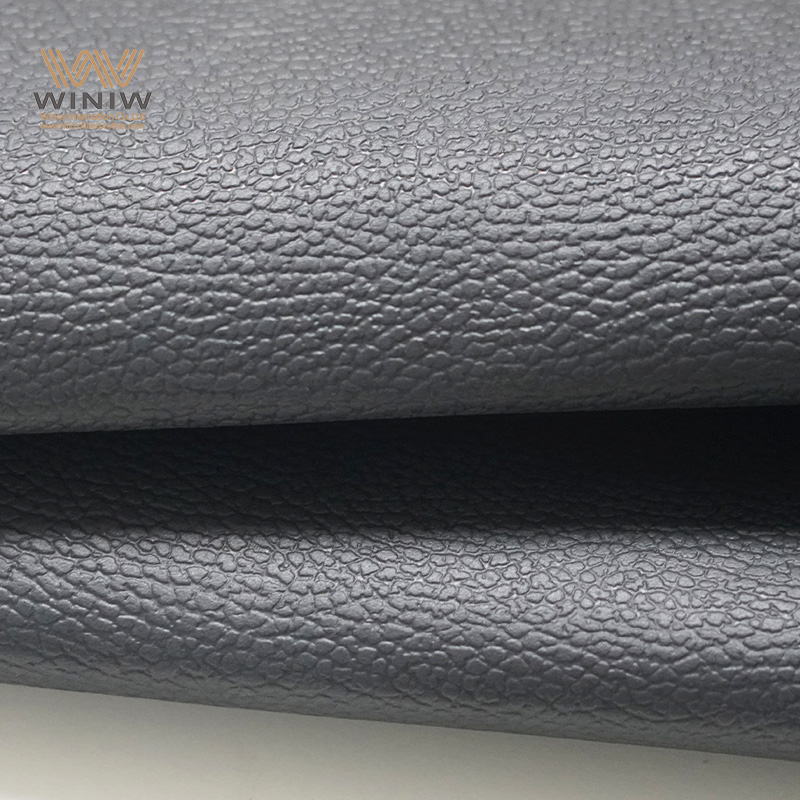
You want the better choice for your living room. Isikhumba seMicrofiber Couch suits you if you value easy cleaning and affordability. Genuine leather gives you lasting durability and a classic look. The table below shows the main factors that influence your decision.
| Isici | I-Microfiber Leather Couch | Genuine Leather Couch |
|---|---|---|
| Induduzo | Ithambile, plush, umswakama-wicking | Iqinile, ethambile, adapts to temperature |
| Ukuqina | Ukumelana namabala, kulula ukuhlanza | Lasts up to 20 years with care |
| Umthelela Wezemvelo | Petrochemical-based, energy-intensive | Okwemvelo, but tanning affects environment |
| Izindleko | $300–$1,500 | $1,000–$4,500 |
Okuthathwayo Okubalulekile
- Microfiber leather couches are affordable and easy to clean, making them ideal for families and busy lifestyles.
- Genuine leather couches offer durability and a classic look, lasting up to 25 iminyaka ngokunakekelwa okufanele, making them a long-term investment.
- Cabangela izindinganiso zakho: microfiber leather is vegan and eco-friendly, while genuine leather provides authenticity and luxury.
Microfiber Leather vs Leather: Izinto zokwakha
What Is Microfiber Leather?
You see microfiber leather as a modern alternative to traditional leather. Manufacturers create it by layering a non-woven fabric base with a polyurethane resin coating. Ngezinye izikhathi, they blend cotton, uvolo, or silk into the mix for added softness. Microfiber leather couch options stand out in the market because they offer a smooth, consistent texture and resist stains. You find microfiber furniture appealing if you want a vegan, animal-free product that still mimics the look and feel of real leather.
Microfiber leather is popular for its ethical appeal and easy maintenance. You can clean spills quickly, and the material rarely cracks or fades.
What Is Genuine Leather?
Isikhumba sangempela siphuma esikhumbeni sezilwane, usually cowhide. Tanners treat the hide with natural oils to preserve it and enhance its durability. You notice that genuine leather furniture feels luxurious and develops a unique patina over time. The material offers a classic look and adapts to your body’s temperature. Nokho, you need to condition and clean it regularly to prevent cracking and drying out.
| Material Component | Isikhumba seMicrofiber | Isikhumba sangempela |
|---|---|---|
| Base Fabric | Non-woven fabric | Animal hide |
| Ukugqoka | Polyurethane resin (I-PU) | Natural oils |
| Additional Materials | Ukotini, uvolo, usilika (in some blends) | Varies by animal |
Umehluko Obalulekile
You compare genuine leather vs microfiber leather and notice several key differences. Microfiber leather is vegan and animal-free, which appeals to ethical and environmentally conscious buyers. Genuine leather offers authenticity and luxury but faces ethical concerns. Microfiber furniture resists stains and damage, while leather requires more upkeep.
- Vegan leather uses only non-animal materials, attracting buyers who value cruelty-free living.
- Brands use microfiber leather to build a sustainable image, especially among younger consumers.
- Genuine leather’s natural origin gives it a classic appeal but may deter buyers who care about animal welfare.
| Isici | Isikhumba seMicrofiber | Isikhumba sangempela |
|---|---|---|
| Ukuqina | Good durability against spills; ukumelana namabala | Resilient but prone to scratches and fading |
| Isondlo | Easy to clean spills; less regular maintenance needed | Requires regular conditioning and cleaning to prevent cracking and wear |
| Vulnerability | Generally more resistant to damage | Susceptible to cracking and drying out |
You see that microfiber leather couch options suit you if you want easy care and ethical sourcing. Genuine leather offers a timeless look but demands more attention. When you weigh genuine leather vs microfiber leather, consider your lifestyle and values.
Induduzo: Microfiber vs Leather
Feel and Texture
When you compare a microfiber leather couch to a genuine leather couch, you notice clear differences in feel and texture. Microfiber leather gives you a soft, suede-like surface that feels gentle to the touch. Many people choose microfiber furniture because it resists stains and stands up well to daily use. Uma unezingane noma izilwane ezifuywayo, you may appreciate how easy it is to keep clean. Isikhumba sangempela, Ngokolunye uhlangothi, brings a sense of elegance and luxury to your living space. It feels smooth and firm, and it does not absorb odors easily. This can help if you or your family members have allergies. You also find that microfiber comes in a wider range of colors and textures, while leather usually offers fewer color options.
- Microfiber leather feels soft and plush, making it comfortable for lounging.
- Genuine leather offers a classic, smooth texture that many people associate with high-end furniture.
- Microfiber furniture provides more choices in appearance, so you can match your style.
Temperature and Breathability
Comfort levels depend on how each material handles temperature and moisture. You want a couch that feels good year-round, whether you are relaxing after work or hosting friends. The table below shows how microfiber vs leather compares in breathability and temperature regulation:
| Okubalulekile | Ukuphefumula | Temperature Regulation |
|---|---|---|
| Isikhumba seMicrofiber | Phezulu | Wicks away moisture, feels cooler and drier |
| Isikhumba sangempela | Kuphakathi | Natural pores allow air circulation, can feel cold or hot depending on the season |
Microfiber leather wicks away moisture and stays cool, which helps you feel comfortable during long sitting periods. Leather adapts to your body’s temperature but may feel cold in winter or warm in summer. If you want a couch that stays comfortable in any season, microfiber leather gives you an advantage.
Ukuqina: Genuine Leather vs Microfiber Leather
Ubude bempilo
You want your couch to last as long as possible. Durability plays a major role in your decision between a microfiber leather couch and a traditional leather sofa. When you look at the average lifespan, you see a clear difference:
- High-quality leather couches can last between 15 ku 25 iminyaka noma ngaphezulu. You get a long-term investment if you care for your furniture.
- Microfiber furniture, especially bonded or Isikhumba se-Faux izinhlobo, usually lasts around 3 ku 7 iminyaka ngaphambi kokubonisa izimpawu zokuguga.
If you choose a genuine leather couch, you benefit from its natural toughness. The material resists stretching, ukudabula, and sagging. You notice that leather stays strong even after years of use. Microfiber leather offers decent durability, but it cannot match the longevity of high-quality leather. You may need to replace microfiber furniture sooner, especially if you use it daily.
Ithiphu: If you want a couch that stands the test of time, genuine leather wins in the durability category.
Resistance to Stains and Scratches
You need a couch that can handle everyday life. Homes with pets or kids demand extra durability. When you compare genuine leather vs microfiber leather, you see different pros and cons.
- Leather resists minor scratches and does not attract fur. You clean up spills easily because the surface repels liquids.
- Microfiber leather is stain-resistant if you act quickly. You must wipe spills right away to prevent permanent marks.
- Microfiber attracts pet hair and lint, so you clean it more often. You may notice that microfiber furniture needs frequent maintenance.
- Leather requires periodic conditioning to prevent cracking or drying out. You keep the quality high with regular care.
If you have pets, leather gives you an advantage. The surface does not attract fur, and scratches rarely cause lasting damage. Microfiber leather offers good resistance to stains, but you must stay alert. Quick cleaning keeps the couch looking new. Both materials have strengths, but leather stands out for durability and easy cleanup.
| Isici | Genuine Leather Couch | Microfiber Leather Couch |
|---|---|---|
| Ubude bempilo | 15–25 years or more | 3- iminyaka engu-7 |
| I-Stain Resistance | Phezulu, kulula ukuhlanza | Kuphakathi, quick action needed |
| I-Scratch Resistance | Kuhle, survives minor scratches | Kuphakathi, can show wear |
| Pet Hair/Lint Attraction | Phansi | Phezulu |
| Izidingo Zesondlo | Conditioning required | Frequent cleaning |
You see that durability depends on your lifestyle. If you want a couch that lasts decades, choose high-quality leather. If you prefer easy stain resistance and lower upfront cost, microfiber leather suits you. Both options offer unique pros, but genuine leather leads in durability.
Isondlo: Which Is Easier?
Cleaning Needs
You want a couch that stays fresh with minimal effort. A microfiber leather couch gives you easy maintenance because you can clean it with a damp cloth and mild detergent. You do not need special imikhiqizo for daily cleaning. Okokuhlanza okujulile, you can vacuum microfiber furniture regularly and use a fabric cleaner for stains. This routine helps you keep your couch looking new without much hassle.
Genuine leather requires more attention. Uyadinga specific cleaning products and conditioners to protect the surface. Regular cleaning and conditioning prevent cracks and keep the leather soft. The table below shows the recommended cleaning methods for each type:
| Couch Type | Indlela Yokuhlanza |
|---|---|
| Isikhumba seMicrofiber | Clean with a damp cloth and mild detergent. Vacuum regularly and use a fabric cleaner for stains. |
| Isikhumba sangempela | Requires specific cleaning products and conditioners. Needs conditioning and regular cleaning for maintenance. |
Ithiphu: If you want a couch that is simple to clean, microfiber leather offers a clear advantage.
Upkeep Over Time
You must consider how much time you spend on cleaning and maintenance. Microfiber leather needs only basic care. You wipe the surface weekly, spot clean as needed, and vacuum to remove crumbs and hair. Odor control is easy with baking soda once a month. This routine saves you time and reduces cost.
Genuine leather demands more frequent upkeep. You must condition it to maintain comfort and prevent drying. Special products add to the overall cost and effort. The table below outlines a typical maintenance schedule:
| Task | Frequency | Tools Needed | Zuza |
|---|---|---|---|
| Surface Wipe | Weekly | Damp Cloth | Removes dust and dirt |
| Spot Cleaning | As Needed | Mild Soap, Towel | Prevents stains |
| Ukuhlanza | Weekly | Vacuum Cleaner | Eliminates crumbs and hair |
| Ukulawula Iphunga | Monthly | Baking Soda, Vacuum | Keeps couch smelling fresh |
You see that microfiber leather makes cleaning and maintenance easier. Uma ufuna inketho yesondlo esincane, microfiber stands out.
Isitayela & I-Aesthetics: Microfiber Leather Couch vs Genuine Leather Couch
Appearance and Color Choices
You notice a clear difference when you compare the look of a microfiber lesikhumba couch to a genuine leather couch. Microfiber leather gives you a modern, polished appearance. Manufacturers engineer microfiber leather for uniformity, so you see smooth surfaces and consistent colors. You can choose from a wide range of shades, including bold reds, cool blues, and classic neutrals. Microfiber furniture fits well in contemporary spaces and lets you match your couch to your decor.
Isikhumba sangempela offers a classic appeal. You see natural variations in color and texture. Scars, creases, and grain patterns make each leather couch unique. You find fewer color options, but the rich tones of brown, mnyama, and tan create a timeless look. If you want a couch that stands out for its authenticity, leather gives you that character.
Ithiphu: If you want more color choices and a sleek finish, microfiber leather suits your style. For a traditional look, genuine leather is the top pick.
Aging and Patina
The way your couch ages affects its beauty and comfort. Microfiber leather maintains a consistent and polished look over time. You rarely see surface cracking or fading. Microfiber furniture resists wear, so your microfiber couch stays looking new for years.
Genuine leather changes as it ages. The material softens and smooths out. You see a unique patina develop, which adds character and depth. The aging process brings out natural beauty, making your leather couch more attractive with time.
| Isici | Isikhumba seMicrofiber | Isikhumba sangempela |
|---|---|---|
| Appearance Over Time | Maintains a consistent and polished look | Develops a unique patina enhancing character |
| Ukuma komzimba | Engineered for uniformity | Natural variations with scars and creases |
| Aging Process | Resists surface cracking | Softens and smooths out with age |
You choose between a modern, steady look with microfiber or a classic, evolving style with leather. Both options offer lasting comfort and beauty, but the choice depends on your taste and how you want your couch to age.
Izindleko: Which Is the Better Choice?
Upfront Price
You want to know how much you will spend when you buy a new couch. Microfiber couch options usually offer more affordability. You can find many models priced between $300 futhi $1,500. This makes them a good fit if you have a tight budget or want to refresh your space without a big investment. Genuine leather couches cost more. You often see prices starting around $1,000 and reaching up to $4,500 for high-quality leather. The higher price reflects the material’s durability and craftsmanship. If you want a luxury look and feel, you pay more at the start.
Ithiphu: Set your budget before you shop. This helps you decide which material gives you the better choice for your needs.
Inani Lesikhathi Eside
You should think about more than just the initial price. The long-term value of your couch depends on how long it lasts and what it is worth if you want to sell it later. Microfiber couches have a shorter lifespan. They may last only 3 ku 7 iminyaka. Their resale value is low because they show wear faster. Genuine leather couches last much longer. Many stay in great shape for 15 ku 25 iminyaka noma ngaphezulu. Vintage leather furniture often becomes more desirable over time. You can see the pros of investing in quality.
Nasi isiqhathaniso esisheshayo:
| Isici | Isikhumba seMicrofiber | Isikhumba sangempela |
|---|---|---|
| Furniture Lifespan | Impilo emfushane | 15-25+ iminyaka |
| Resale Value | Lower resale potential | Higher resale value |
If you want the best long-term value, genuine leather stands out. You pay more upfront, but you get a couch that keeps its quality and value for years.
Umthelela Wezemvelo: Microfiber Leather Couch vs Leather
Ukusimama
You want to understand how your couch choice affects the planet. Microfiber leather and genuine leather both have environmental challenges during manufacturing. Microfiber leather relies on non-renewable resources and emits microplastics. Genuine leather contributes to deforestation and methane emissions, and tanning uses harmful chemicals.
| Okubalulekile | Umthelela Wezemvelo |
|---|---|
| Isikhumba sangempela | Contributes to deforestation and methane emissions; tanning uses harmful chemicals. |
| Isikhumba seMicrofiber | Emits microplastics during production; relies on non-renewable resources; ayiboli. |
You can look for sustainability certifications when shopping. These certifications help you find brands that care about the environment and workers.
| Igama lesitifiketi | Incazelo |
|---|---|
| OEKO-TEX Certified | Ensures every component of furniture is free from harmful substances. |
| B Corporation | Meets high standards of social and environmental performance, transparency, and accountability. |
| Climate Neutral Certified | Brands measure and offset their carbon footprint and implement plans to reduce future emissions. |
| Fair Trade Certification | Ensures materials are sourced ethically and workers are paid fair wages. |
| PETA-Approved Vegan | Assures that no animal products were used in the manufacturing process. |
Disposal matters, futhi. Microfiber leather is not biodegradable and can persist in landfills for hundreds of years. Recycling options exist, but the process is complicated. Genuine leather breaks down naturally, especially when tanned with plant-based methods. This makes genuine leather a better option for disposal if you value eco-friendliness.
Inhlalakahle Yezilwane
You may care about animal welfare when choosing between genuine leather vs microfiber leather. Microfiber leather is vegan and free from animal-derived components. This appeals to buyers who want cruelty-free products. Isikhumba sangempela siphuma esikhumbeni sezilwane, raising concerns about animal treatment. Many brands now adopt animal welfare policies and ethical sourcing to address these issues.
- Microfiber leather supports cruelty-free values.
- Genuine leather raises animal welfare concerns.
- The furniture industry sees rising demand for vegan and sustainable materials.
If you want a couch that aligns with animal welfare and affordability, microfiber leather offers a strong option. Genuine leather provides lasting value and a classic look, but you must consider your budget and the price of ethical sourcing.
You weigh the pros and cons of microfiber leather and genuine leather couches. Microfiber suits families and eco-conscious buyers with easy cleaning and safety. Genuine leather fits pet owners and style lovers, offering durability and elegance. Consider your needs, as each option has unique cons and benefits.
FAQ
Can you repair scratches on a genuine leather couch?
You can fix minor scratches with leather conditioner. Imihuzuko ejulile ingase idinge ukulungiswa kochwepheshe. Hlola njalo imikhiqizo endaweni efihliwe kuqala.
Is microfiber leather safe for people with allergies?
Microfiber leather resists dust and allergens. You clean it easily. This makes it a good choice for allergy sufferers.
Which couch is better for homes with pets?
| Couch Type | Pet-Friendly Feature |
|---|---|
| Isikhumba seMicrofiber | Kulula ukuhlanza, ukumelana namabala |
| Isikhumba sangempela | Resists fur, isikhathi eside |
Uthola durability with leather. Microfiber offers easy cleaning.