
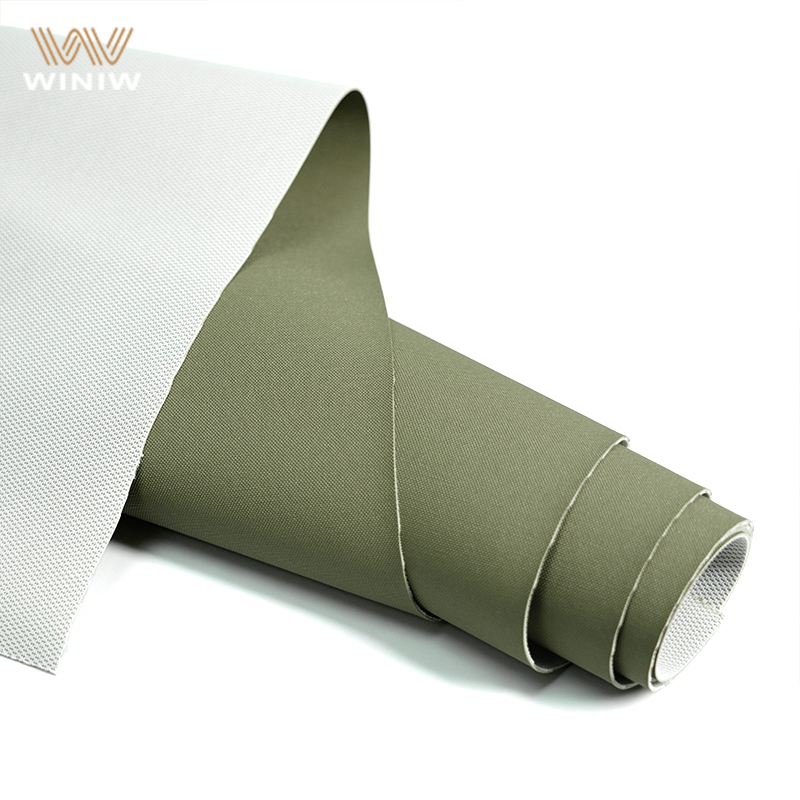
Automotive leather fabric stands out in car interiors because it undergoes a unique tanning process and offers remarkable durability. You feel luxury and comfort with leather upholstery, which adapts to your body contours and maintains its shape. Manufacturers choose leather upholstery for its elegance, comfort, and longevity, making it a smart investment.
Key Takeaways
- Automotive leather fabric offers luxury, comfort, and durability for car interiors.
- Genuine leather provides a premium feel but requires regular maintenance.
- Synthetic leather is cost-effective and easy to clean, ideal for budget-conscious buyers.
Types of Automotive Leather Fabric
Genuine Leather
You encounter genuine leather most often in luxury vehicle upholstery. This material includes full-grain, top-grain, and Nappa leather. Each type offers unique qualities for automotive upholstery. Full-grain leather resists cracking and develops a rich patina. Top-grain leather feels smooth and cleans easily. Nappa leather feels soft and flexible, giving you a premium touch. Manufacturers use genuine leather for seats, dashboards, door panels, and steering wheels. You notice its superior tactile feel, breathability, and long-term wear resistance in car upholstery.
| Type of Leather | Characteristics | Cost Comparison |
|---|---|---|
| Full-Grain Leather | Highest quality, resists cracking, develops patina, distinct markings | Most expensive |
| Top-Grain Leather | Smooth surface, durable, easier to clean, less patina development | Less expensive than full-grain |
| Nappa Leather | Soft, flexible, luxurious feel, made from young hides | Premium pricing |
Typical thickness for automotive leather fabric ranges from 0.9 to 1.4 millimeters. This thickness balances durability, comfort, and flexibility, making it ideal for leather upholstery in vehicles.
Synthetic Leather (Leatherette)
Synthetic leather, often called leatherette or pleather, mimics the look and feel of genuine leather upholstery. You find it in new automotive upholstery because it costs less and requires less maintenance. Synthetic leather resists UV exposure and cracking better than real leather. You see it used for seats, door panels, and trim in many vehicles. Automakers choose synthetic materials to address ethical and environmental concerns. Synthetic leather may show wear sooner, but you clean it easily and enjoy its durability.
- Synthetic leather is made from polyester and nylon, providing flexibility for car upholstery.
- It is most affordable and offers easy maintenance for vehicle upholstery.
Suede and Alcantara
You experience suede and Alcantara in performance and luxury vehicles. Alcantara stands out for its superior grip, temperature stability, and abrasion resistance. You notice its matte finish reduces glare, helping you focus while driving. Suede feels softer but absorbs spills and fades faster. Both materials appear in seats, steering wheels, and trim, especially in sports cars.
| Property | Alcantara | Suede (Comparison) |
|---|---|---|
| Grip | Superior grip, ideal for performance applications like steering wheels. | Generally less grip compared to Alcantara. |
| Temperature Stability | Regulates temperature better, cooler in sunlight, warms up quickly. | Less effective in temperature regulation. |
| Durability | Highly durable, resistant to wear and stains. | Less durable than Alcantara. |
| Visual Calm | Matte finish reduces glare, enhancing driver focus. | Typically has a more reflective surface. |
| Abrasion Resistance | Excellent resistance to abrasion, suitable for high-traffic areas. | More prone to wear over time. |
| Colorfastness | Highly resistant to UV fading, maintains color over time. | More susceptible to fading. |
| Liquid Resistance | Resists spills and stains better due to its dense structure. | More porous, can absorb spills easily. |
You select suede or Alcantara for car upholstery when you want a sporty look and enhanced grip. These materials usually have a thickness similar to genuine leather, ensuring comfort and durability for vehicle upholstery.
Automotive Leather Fabric in Car Interiors
Common Applications in Car Upholstery
You see automotive leather fabric featured in many areas of car interiors. Manufacturers use leather upholstery to create a premium look and feel. You find leather on high-quality seats, steering wheel linings, door panels, and glove compartment exteriors. These components benefit from the durability and comfort that leather provides. Automotive upholstery often includes genuine leather or synthetic alternatives, depending on the vehicle segment. Luxury car interior designs rely on leather upholstery for seats, dashboards, and trim, making the cabin visually appealing and comfortable.
- Steering wheel linings
- Seat coverings
- Door panels
- Glove compartment exteriors
You notice that luxury vehicles use leather upholstery extensively. The automotive interior leather market continues to grow because consumers demand premium, comfortable, and visually appealing car interiors. Genuine leather covers seats, dashboards, and door panels in luxury vehicles, offering high-grade finishes and superior craftsmanship. New automotive upholstery trends also include synthetic leather for ethical and environmental reasons, but genuine leather remains the standard for luxury car interior designs.
Benefits: Comfort, Luxury, and Durability
Automotive leather fabric offers several advantages for car upholstery. You experience comfort every time you sit on leather seats. The material adapts to your body, providing support and a luxurious feel. Leather upholstery enhances the appearance of car interiors, making your vehicle look more refined and inviting. Durability stands out as a key benefit. Leather resists wear and tear, maintaining its shape and color over time. You clean leather upholstery easily, as it does not stain as quickly as other fabrics.
Leather upholstery gives your car interior a premium look and feel. You enjoy comfort and durability, making every drive more pleasant.
You can compare different types of automotive leather fabric based on comfort and durability:
| Leather Type | Comfort Characteristics | Durability Characteristics |
|---|---|---|
| Genuine Leather | Luxurious feel, requires maintenance | Durable, easy to clean, won’t stain easily |
| Semi-Aniline Leather | Balances comfort and durability, easy care | Long-lasting finish, suitable for everyday use |
| Pigmented Leather | Less breathable, affects comfort | Resistant to stains and wear, ideal for high-traffic areas |
| Suede | Soft feel, stylish look | Wears more easily, less durable than alternatives |
| Alcantara | Soft, stylish, improved grip | Superior durability for high-traffic areas |
| Vegan Leather | More sustainable, less durable | Limited use, high production costs |
| Solvent-free PU Leather | Comfortable, eco-friendly | Highly durable, resistant to wear and tear |
| PVC Leather | Affordable, less breathable | Highly resistant to wear, tear, and abrasion |
| Microfiber Leather | Soft, plush texture, enhances comfort | Highly durable, resistant to wear and tear |
You find genuine leather offers a luxurious feel and durability but requires maintenance. Semi-aniline leather balances comfort and durability, making it suitable for everyday use. Pigmented leather is durable and resistant to stains but less breathable, which can affect comfort. Alcantara mimics suede but offers superior durability for high-traffic areas. Solvent-free PU leather is durable, comfortable, and eco-friendly, providing a cost-effective alternative to genuine leather.
You also notice that vehicles with leather interiors command higher resale prices. Well-maintained leather upholstery signals durability and superior craftsmanship. Leather has a higher initial cost but can enhance resale value, while synthetic alternatives are more affordable but may depreciate faster. Maintenance for leather requires specialized care, impacting long-term costs compared to standard cleaning methods for fabric.
Drawbacks and Maintenance Tips
You must consider some drawbacks when choosing automotive leather fabric for car upholstery. Leather can be uncomfortable in direct sunlight, especially during hot summers, causing discomfort due to high temperatures. In cold climates, leather can become very cold, making it uncomfortable to sit on. Leather upholstery requires regular cleaning and maintenance to prevent fading, tears, and cracks. Cleaning leather is costly as it requires specialized materials. Leather absorbs stains, making it difficult to clean. The resale value of a car with leather interiors depends on the condition of the leather, which can be challenging to maintain.
- Leather can be uncomfortable in extreme temperatures.
- Regular cleaning and maintenance are necessary.
- Specialized cleaning products increase maintenance costs.
- Leather absorbs stains and can be difficult to clean.
- Resale value depends on leather condition.
You also need to consider the environmental impact of automotive leather fabric. Faux leather is made from plastic, leading to significant environmental pollution. Vegan leather is more sustainable but has limitations in durability and quality. Genuine leather, especially vegetable tanned, is more eco-friendly due to up-cycling hides. Some suppliers argue that genuine leather has a lower carbon footprint than synthetic alternatives because it uses hides from cattle raised for meat and milk. This up-cycling can be more sustainable than producing synthetic materials, though cattle farming does produce greenhouse gases.
When selecting leather upholstery for car interiors, you should consider durability, comfort, maintenance requirements, aesthetic appeal, and overall cost. High-maintenance leather may not suit individuals with busy lives or young children. Cloth car fabrics are a versatile and budget-friendly option, offering breathable comfort and easy maintenance, making them suitable for families and daily drivers.
Tip: Consider darker leather seats to make stains less noticeable and extend lifespan. Use a window cover to protect leather from heat damage. Never let stains set by wiping them up immediately to prevent damage. Clean the seats regularly to remove dirt and oils that can cause cracking.
You should use conditioners and cleaners designed specifically for leather. Be careful around sewn stitching, especially on the steering wheel. Use a toothbrush with soft bristles in a circular motion for thorough cleaning. Choose a product specifically designed for conditioning and protecting leather. Avoid harsh chemicals or abrasive cleaners. Use water-based cleaning products to prevent discoloration or damage.
You see that automotive leather fabric generally has a higher cost than fabric upholstery due to expensive manufacturing and installation processes. Premium leather can significantly increase the overall manufacturing cost of vehicles by 15–25%. Fabric upholstery is more budget-friendly initially but may incur higher maintenance costs over time.
You make informed decisions about car upholstery by weighing the benefits and drawbacks of automotive leather fabric. You ensure your car interiors remain comfortable, durable, and visually appealing by following expert maintenance tips.
You see automotive leather fabric elevate car interiors by adding comfort, luxury, and durability to seats and trim. When you understand the types and uses, you make better choices for your vehicle.
- Choose materials that fit your climate and lifestyle.
- Regularly clean and condition car upholstery for a lasting interior.
FAQ
What is the best way to clean automotive leather seats?
You should use a soft cloth and a water-based leather cleaner. Avoid harsh chemicals. Condition the leather regularly to keep it supple.
Does synthetic leather last as long as genuine leather?
| Material | Durability |
|---|---|
| Genuine Leather | High |
| Synthetic Leather | Moderate |
You notice genuine leather lasts longer with proper care.
Can you repair scratches on leather upholstery yourself?
You can fix minor scratches using a leather repair kit. Deep scratches may require professional help. Always test products on a hidden area first.