
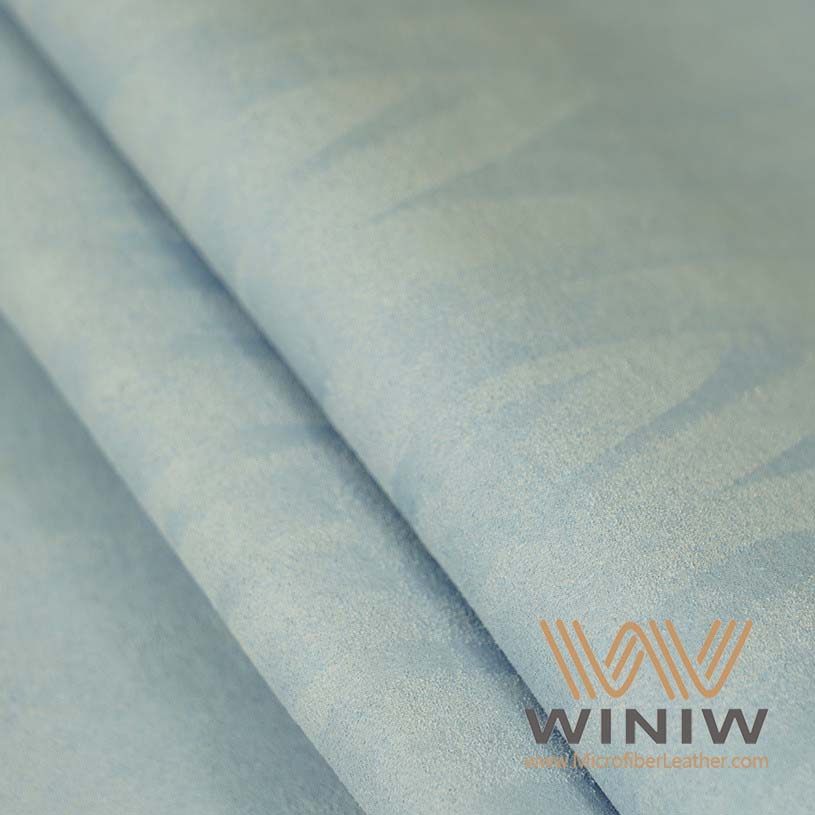
Selecting high-quality suede lining fabric requires attention to several factors. Experts recommend evaluating texture, flexibility, durability, and environmental sustainability.
| Criteria | Description |
|---|---|
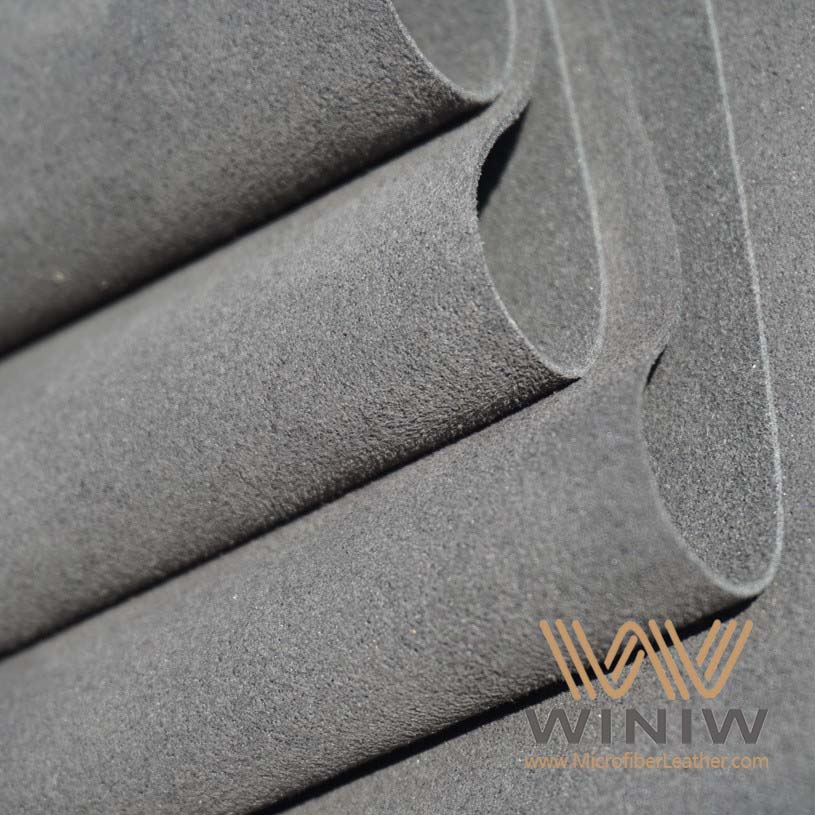
| Texture | Smooth, consistent nap with a soft, velvety feel |
| Flexibility | Bends easily without cracking |
| Durability | Withstands regular use, ensuring longevity |
| Environmental Sustainability | Ethical sourcing and sustainable practices increase product value |
How to Evaluate Suede Lining Fabric for Quality and Durability
- Evaluate suede lining fabric by checking texture, flexibility, and durability. A smooth, soft feel indicates quality.
- Choose the right weight of suede for your project. Lightweight is best for clothing, while heavyweight suits upholstery and outerwear.
- Look for ethical certifications when selecting suede. This ensures responsible sourcing and reduces environmental impact.
Evaluating Suede Lining Fabric
Quality and Durability Criteria
High-quality suede lining fabric stands out through its resilience and tactile appeal. Manufacturers and designers often rely on industry-standard tests to assess durability. These tests include abrasion resistance, tear strength, and tensile strength. Each test provides insight into how the fabric will perform under stress and regular use.
| Test Type | Description | Standards |
|---|---|---|
| Tensile Strength Test | Measures the maximum force a textile can withstand before breaking. | ASTM D5034, ISO 13934-1 |
| Tear Strength Test | Measures the force required to continue a tear once it has started. | ASTM D1424, ISO 13937-1 |
| Abrasion Resistance Test | Determines how a fabric withstands rubbing and surface wear. | ISO 12947, ASTM D4966 |
| Pilling Resistance Test | Evaluates how easily fibers tangle on the surface, simulating wear. | N/A |
Common defects in low-quality suede lining fabric can impact both appearance and performance. Durability concerns arise when micro suede wears out faster than natural fibers. Cleaning challenges also occur, as some types require special care and react poorly to water. Static electricity may attract dust and lint, while colorfastness problems can cause fading, especially with sunlight exposure. Not resistant to dirt, suede can look unattractive after staining and often needs manual cleaning with professional products. Poor water resistance may lead to deformation or shrinkage, so careful handling is essential.
Innovations in suede lining fabric, such as air layer suede jackets and knitted suede fabric, have improved warmth, comfort, and wear resistance. These advancements help create more durable suede fabric options for demanding applications.
Real vs. Faux vs. Microfiber Suede
Understanding the differences between real, faux, and microfiber suede lining fabric helps consumers make informed choices. Each type offers unique characteristics in texture, nap, and backing.
| Fabric Type | Texture Characteristics | Nap Characteristics | Backing Characteristics |
|---|---|---|---|
| Real Suede | Exudes luxury, softness, and unique aging patina | Deep, rich nap with natural variation | Requires careful care, sensitive to water |
| Faux Suede | Feels slightly smoother and more uniform | Less variation in nap compared to real suede | Generally easier to maintain |
| Microfiber Suede | Affordable, durable, and water-resistant | Minimal nap variation | Synthetic backing, easier to clean |
Genuine leather suede, made from the underside of animal hides, features a deep, rich nap with natural texture variations. The nap, created by sanding the underside, gives genuine leather suede its signature fluffy texture and luxurious feel. Faux suede mimics the appearance of real suede but feels smoother and more uniform. It offers easier maintenance and greater resistance to stains. Microfiber suede, a synthetic alternative, provides affordability, durability, and water resistance. Its synthetic backing makes it easy to clean and suitable for high-use items.
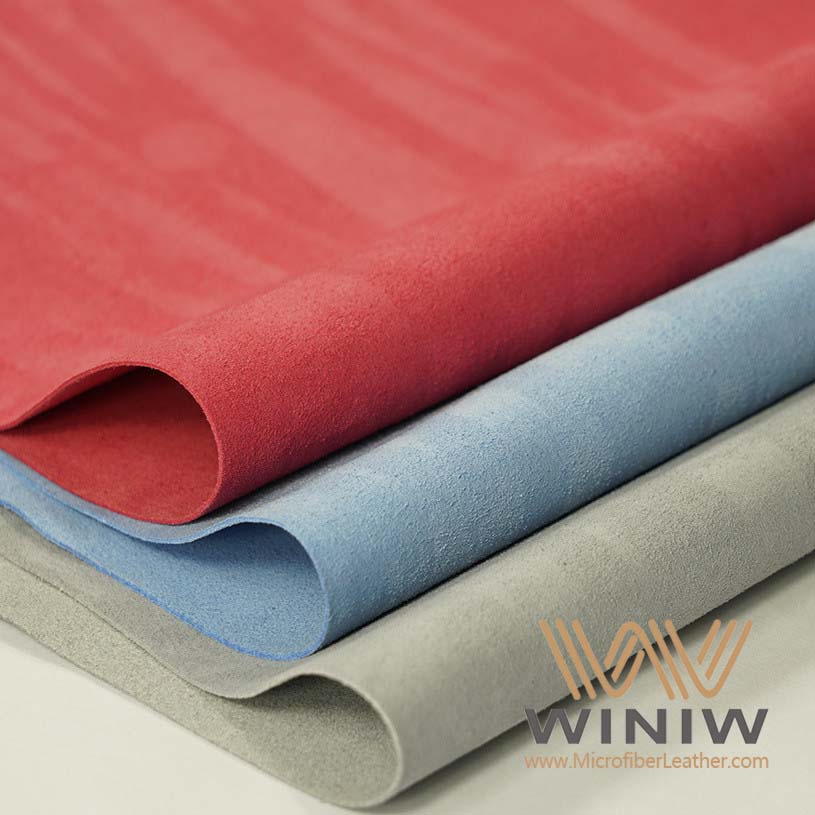
When consumers choose suede lining fabric, they should consider the intended use. Genuine leather suede works well for luxury goods, while faux and microfiber options suit everyday products that require easy care and resilience. Cost differences also play a role. Real suede commands a premium price, while faux and microfiber options remain more affordable.
Ethical Sourcing and Environmental Impact
Ethical sourcing and environmental impact have become central concerns when selecting suede lining fabric. The production of genuine leather suede involves livestock farming and tanning processes that contribute to greenhouse gas emissions, deforestation, and chemical pollution. Chromium, used in tanning, can contaminate soil and water, posing risks to both ecosystems and human health.
| Environmental Impact | Description |
|---|---|
| Pollution from Animal Agriculture | Livestock farming contributes to greenhouse gas emissions and deforestation. |
| Chemical Pollution | Tanning processes use chromium, leading to soil and water contamination. |
| Synthetic Material Footprint | Faux and microfiber suedes are derived from petroleum, impacting ecosystems. |
| Water Pollution | Wastewater from leather production contains harmful chemicals like chromium. |
| Soil Contamination | Chromium disrupts plant growth and can accumulate in human and animal tissues. |
| Greenhouse Gas Emissions | Livestock farming is responsible for significant carbon and methane emissions. |
Certifications and standards help consumers identify ethically sourced suede lining fabric. Common certifications include Fairtrade, Global Organic Textile Standard (GOTS), and OEKO-TEX. These certifications ensure products meet rigorous standards for safety, sustainability, and ethical production. They also enhance brand reputation and foster consumer trust.
Environmental regulations in major producing countries influence the availability and cost of suede lining fabric. Stricter regulations limit traditional production methods, increase costs, and affect the supply of raw materials. As a result, manufacturers may face higher prices and fluctuating availability.
Consumers who select suede lining fabric with ethical certifications and sustainable practices support responsible manufacturing. They also help reduce the environmental footprint of their projects. When buyers choose suede lining fabric, they should look for reputable suppliers who prioritize both quality and ethical standards.
Project Fit and Practical Assessment
Weight, Structure, and Backing
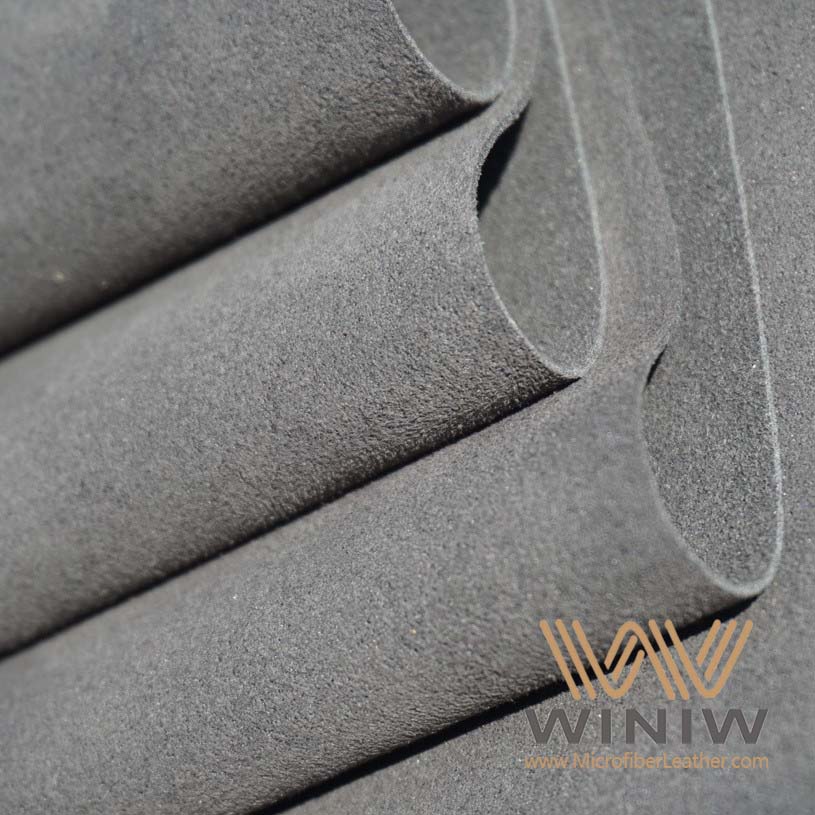
Selecting the right suede lining fabric for a project begins with understanding weight, structure, and backing. Weight determines the fabric’s suitability for different uses. Lightweight suede, ranging from 150–250 GSM, works best for clothing such as jackets, skirts, and blouses, as well as accessories like gloves, handbags, and hats. Medium-weight suede, at 250–400 GSM, offers versatility for apparel, light upholstery, structured bags, and shoe uppers. Heavyweight suede, above 400 GSM, provides durability for furniture upholstery, automotive interiors, and heavy-duty outerwear.
| Weight Category | GSM Range | Applications |
|---|---|---|
| Lightweight Suede | 150–250 GSM | Ideal for clothing (jackets, skirts, blouses) and accessories (gloves, handbags, hats). |
| Medium-Weight Suede | 250–400 GSM | Versatile for apparel and light upholstery, suitable for structured bags and shoe uppers. |
| Heavyweight Suede | 400+ GSM | Best for furniture upholstery, automotive interiors, and heavy-duty outerwear. |
The structure and backing of suede lining fabric influence both durability and maintenance. Real and faux suede differ in appearance, feel, and longevity, which impacts project selection. Suede’s soft touch and luxurious feel make it a popular choice for common applications, including luxury handbags and even medical supplies. Designers must consider the specific requirements of each item, balancing durability and aesthetics to achieve the best results.
- The structure and backing affect durability and maintenance needs.
- Real and faux suede offer different looks, feels, and lifespans.
- Suede’s tactile appeal suits a range of uses, from fashion to technical products.
- Project requirements should guide the choice of suede lining, focusing on both durability and appearance.
Water Resistance and Care
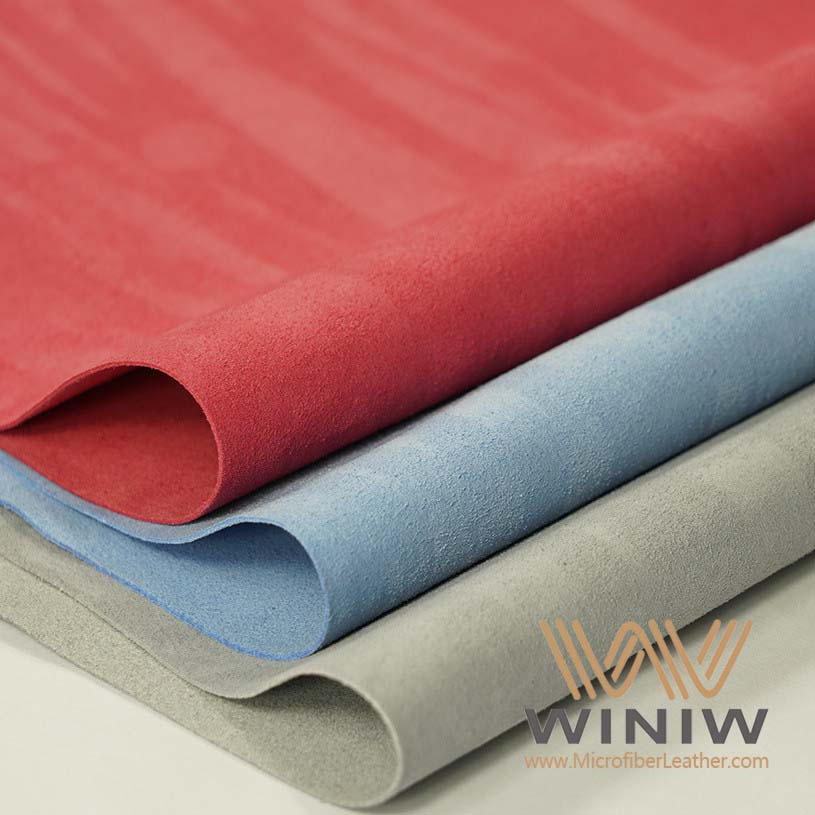
Water resistance plays a critical role in the care and longevity of suede lining fabric. Several industry-standard tests help evaluate water resistance:
- Hydrostatic Pressure Test: Measures how much water pressure the fabric can withstand before droplets penetrate.
- Spray Test: Simulates rain exposure by spraying water and observing penetration.
- AATCC 35-2018 Water Repellency Test: Involves spraying water and weighing absorbent paper behind the fabric to assess penetration.
- AATCC 42-2017 Impact Water Permeability Test: Focuses on the impact of water on the fabric surface.
Suede’s porous nature means it can easily absorb water, leading to marks and stains. While treated suede can handle light rain, it is not suitable for heavy moisture. Proper maintenance includes using protective sprays and avoiding direct contact with liquids. This approach preserves the fabric’s appearance and extends its lifespan.
Manufacturers recommend several best practices for cleaning and maintaining suede lining fabric:
- Regularly brush the surface to prevent matting and remove dust.
- Spot treat stains immediately to avoid permanent damage.
- Use a damp cloth with a suitable cleaner for deeper cleaning, but avoid excessive moisture.
- Blot stains gently instead of rubbing to prevent further damage.
- Treat spills promptly and use a spatula or credit card to lift thicker substances before blotting.
- Store suede items clean and dry to prevent stains during storage.
- Apply a waterproofer to protect against spills and moisture.
Tip: Use a soft suede brush to keep the nap fresh and avoid pressing down on stains. For oily stains, dab gently with a cotton ball and a small amount of rubbing alcohol.
Matching Suede Lining Fabric to Your Project
Matching suede lining fabric to projects requires careful consideration of material type and intended use. Natural suede, such as lambskin, offers a lightweight option ideal for fashion items. Cowhide provides greater durability, making it suitable for bags and shoes. Synthetic alternatives mimic the look and feel of natural suede at a lower cost, providing a practical solution for budget-conscious projects.
When selecting suede for shoes, bags, or apparel, designers should evaluate the specific needs of each item. For example, shoes and structured bags benefit from medium-weight or heavyweight suede for added strength. Apparel and accessories often require lightweight suede for comfort and flexibility. Understanding these distinctions ensures the chosen fabric enhances both the aesthetics and functionality of the finished product.
Common Mistakes to Avoid
Several common mistakes can compromise the performance and appearance of suede lining fabric, especially in moisture-prone projects:
- Overlooking high humidity, which can cause dampness, mold, and color bleeding.
- Ignoring low humidity, leading to brittleness and cracking.
- Failing to implement proper care and protection measures.
To avoid premature wear and tear, experts recommend:
- Choosing high-quality suede made from premium hides, free from visible defects.
- Opting for thicker suede for increased durability.
- Selecting suede with a protective finish to resist stains and abrasion.
- Matching the suede type to the intended application, such as heavy-duty fabric for upholstery or lighter options for clothing.
Proper care is essential, particularly in high-moisture environments. Key manufacturer recommendations include:
| Care Instruction | Description |
|---|---|
| Avoid Humidity | Store suede items in a dry environment to prevent dampness and mold. |
| Stain Repellent | Apply a suede stain repellent to create a protective barrier; reapply as recommended. |
| Avoid Contact with Liquids | Keep drinks away from suede to prevent spills from ruining the fabric. |
| Proper Storage | Store in a cool, dry place away from direct sunlight when not in use. |
Note: Always store suede lining fabric in a clean, dry place and apply protective treatments regularly to maintain its quality.
By following these guidelines, designers and consumers can maximize the durability and beauty of suede lining fabric, ensuring it meets the demands of any project.
Industry professionals recommend evaluating suede lining fabric based on quality, durability, ethical sourcing, and project fit. Before purchase, buyers should follow this checklist:
- Verify authenticity and hide origin.
- Test flexibility for smooth rebound.
- Check seam allowances.
- Assess color consistency.
- Confirm care instructions.
Prioritizing these criteria ensures optimal results.
FAQ
How can someone tell if suede lining fabric is genuine?
A genuine suede lining shows a natural, uneven nap and a soft, luxurious feel. Synthetic versions often look uniform and lack the unique texture of real suede.
What is the best way to store suede-lined products?
Store suede-lined items in a cool, dry place. Avoid direct sunlight and humidity. Use dust bags or breathable covers to protect the fabric from dirt and moisture.
Tip: Regularly brush suede linings with a soft brush to maintain their texture and prevent matting.
Can suede lining fabric be waterproofed?
Manufacturers recommend using a specialized suede protector spray. This treatment helps repel water and stains, but it does not make the fabric completely waterproof.