
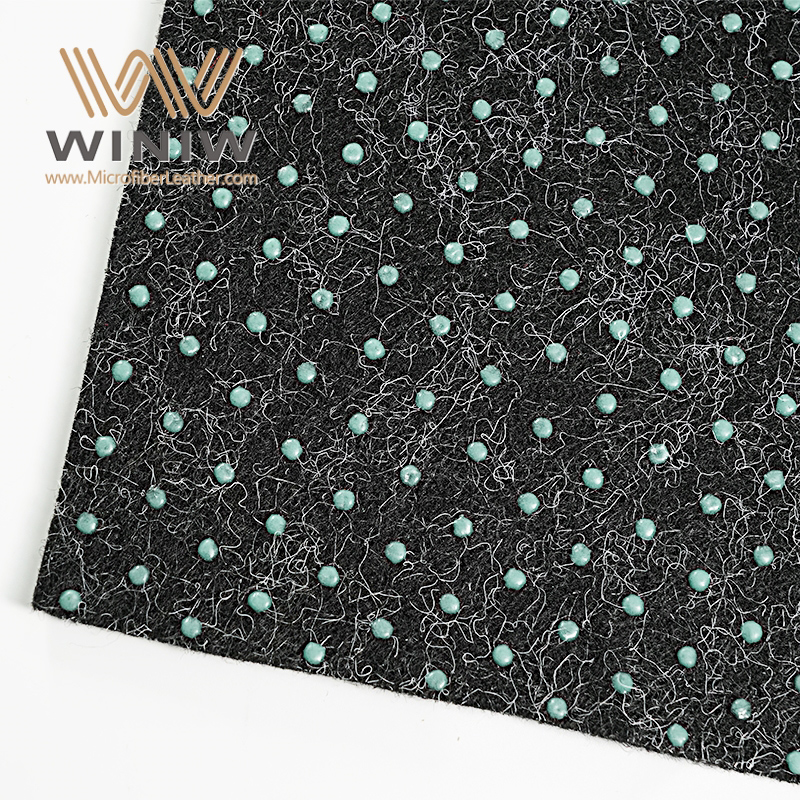
You can spot Car Faux Leather quickly by using your senses. Try these at home:
- Check for rough or perfect edges.
- Study the pore pattern for regularity.
- Feel the texture—real leather feels flexible.
- Smell the seat for a unique scent. You do not need any special tools.
Key Takeaways
- Use your senses to identify car seat materials. Feel the texture, check the edges, and smell the seat to distinguish between genuine leather and faux leather.
- Perform simple tests like the fingernail mark test and moisture absorption test. Genuine leather shows small wrinkles and absorbs water, while faux leather does not.
- Be cautious of misleading terms used by manufacturers. Phrases like ‘leatherette’ or ‘premium trim’ often indicate synthetic materials instead of real leather.
How to Identify Car Faux Leather
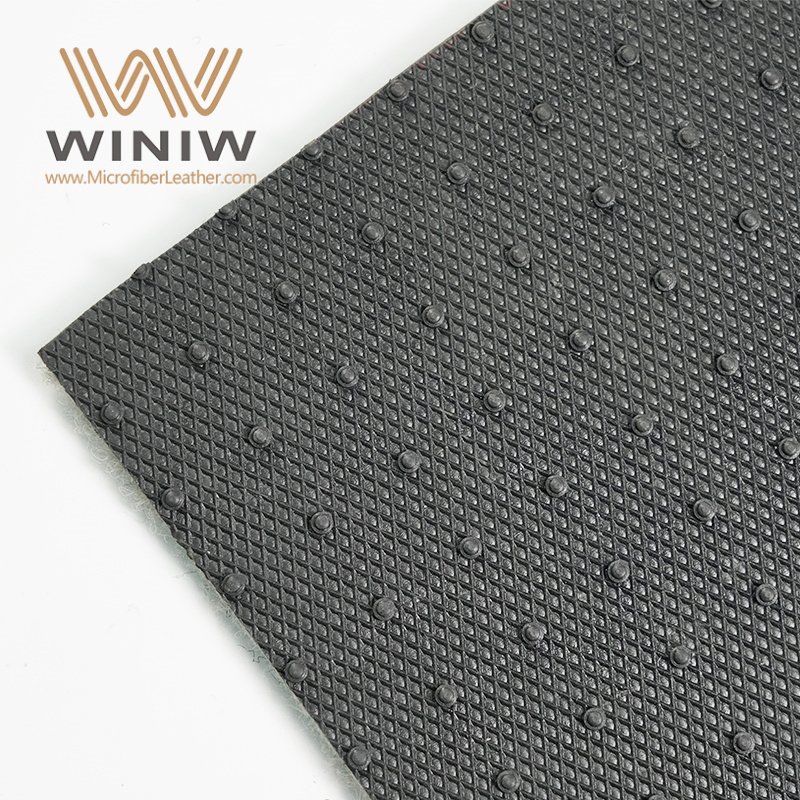
Touch and Flexibility Test
You can start by feeling the seat surface. Genuine leather gives you a soft, supple touch that adapts to your body temperature. Over time, it becomes even more comfortable. Car faux leather feels firmer and cooler. The texture stays consistent and does not change with age. You may notice that leather breathes better, which helps regulate temperature and reduces sweating. Car faux leather does not allow air to pass through as easily, so it feels less warm and less flexible.
- Genuine leather: Soft, warm, and flexible
- Car faux leather: Firm, cool, and less breathable
Grain and Texture Check
Look closely at the seat’s surface. Genuine leather shows natural grain patterns with tiny pores and lines that vary across the seat. Each piece looks unique. Car faux leather has a flawless, repeating grain pattern. Machines produce this uniform look. If you see a surface that looks too perfect, you probably have car faux leather.
Tip: Use a flashlight to highlight the grain. Unique imperfections suggest leather, while a regular pattern points to car faux leather.
Fingernail Mark Test
Try pressing your fingernail into the seat. Leather responds with small wrinkles or changes in texture. Car faux leather does not show visible marks when scratched. This simple test helps you spot the difference quickly.
| Material | Fingernail Mark Result |
|---|---|
| Faux Leather | No visible marks when scratched |
| Genuine Leather | Small wrinkles or changes in texture |
Smell Test
Take a moment to smell the seat. Leather has a distinct, rich scent that many people find pleasant. Car faux leather smells more like plastic or chemicals. The scent of leather comes from natural oils and the tanning process. Car faux leather lacks this aroma.
Moisture Absorption Test
Place a drop of water on the seat. Leather absorbs moisture because it has natural pores. The water disappears after a short time, keeping the surface dry and preventing slipperiness. Car faux leather does not absorb moisture well. The water stays on the surface and may make the seat slippery.
| Material | Water Resistance Level | Notes |
|---|---|---|
| Faux Leather | Higher | Inherent water resistance due to synthetic plastic coating. Can absorb water if submerged for long periods. |
| Genuine Leather | Lower | Not inherently water-resistant; can absorb moisture under certain conditions. |
Edge Inspection
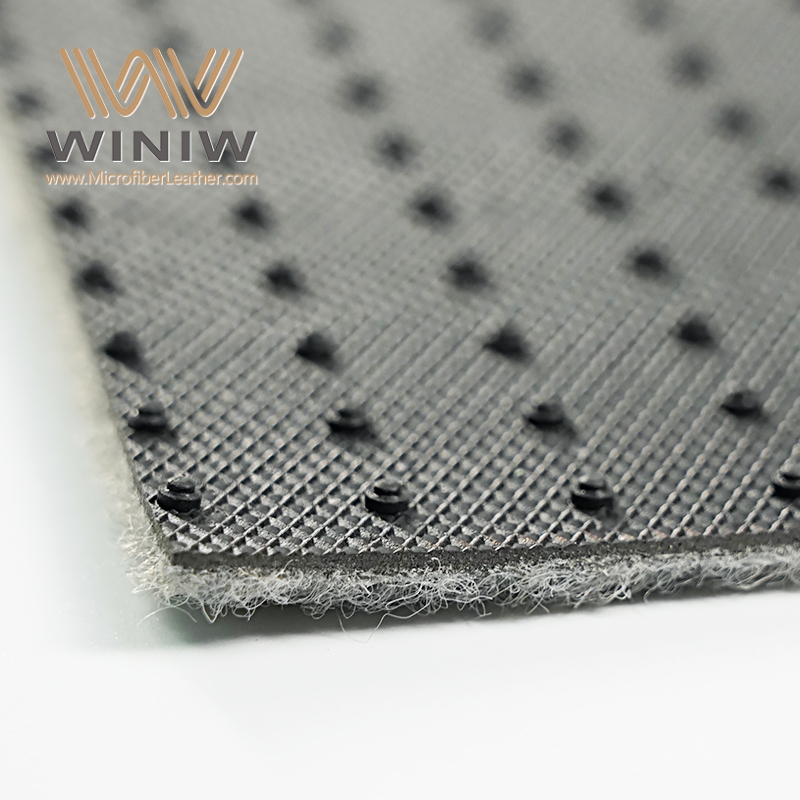
Check the edges of the seat material. Genuine leather has rough, fibrous edges. You may see tiny grains and imperfections. Car faux leather has smooth, clean edges because machines cut it. The underside of leather looks like suede, while car faux leather has a fabric or plastic-like inner layer.
- Genuine leather: Rough, fibrous edges; suede-like underside
- Car faux leather: Smooth, clean edges; fabric or plastic underside
Weight and Thickness
Feel the weight and thickness of the seat material. Leather usually measures 1.2–1.4mm or more in thickness. This makes it durable and resistant to tearing. Car faux leather often feels lighter and thinner. The texture stays uniform, but it may not last as long.
- Leather: Thick, heavy, durable
- Car faux leather: Thin, light, less durable
How Do I Tell If I Have Leather or Vinyl?
You may wonder, “how do i tell if i have leather or vinyl?” Experts suggest three reliable indicators:
- Leather feels softer, warmer, and more natural. Vinyl feels colder, stiffer, and artificial.
- Look at the backside of the material. Vinyl has a cloth-like backing. Leather does not.
- Press on the surface. Leather creates tiny wrinkles. Vinyl does not show this response.
If you ask, “how do i tell if i have leather or vinyl?” use these simple checks. You do not need special tools. You can trust your senses and observations.
Note: Car faux leather and vinyl share many features. Use these tests to make sure you know what material you have.
Comparison Table: Leather vs. Car Faux Leather
| Feature | Real Leather | Sof-Touch Leatherette (Car Faux Leather) |
|---|---|---|
| Feel | Natural, luxurious | Soft, smooth, premium finish |
| Maintenance | Needs conditioning | Wipe clean, no upkeep |
| Durability | Prone to cracking | Built for long-term use |
| Water Resistance | Not waterproof | Waterproof protection |
| Customization | Limited options | Wide selection of styles and colors |
| Cost | Expensive | Cost-effective and stylish |
You can use these practical tests and visual checks to identify car faux leather in your vehicle. Each method gives you clues about the material. Try several tests for the most accurate result.
Misleading Terms and Labels
Common Marketing Phrases
Car manufacturers and dealerships often use creative language to describe seat materials. You may see terms that sound luxurious but do not guarantee real leather. Watch for these common phrases:
- Leather accent
- Leather accented
- Premium trim
- Leatherette
- Vegan leather
- MBTex
- StarTex
- Koskin
- Synthetic leather
These phrases can make you believe you are getting genuine leather, but many of them refer to synthetic or blended materials. For example, “leather accent” or “leather accented” usually means only a small part of the seat contains leather, or sometimes none at all.
Tip: Always read the fine print and ask questions if you see these terms.
Leatherette, Vegan Leather, and Other Labels
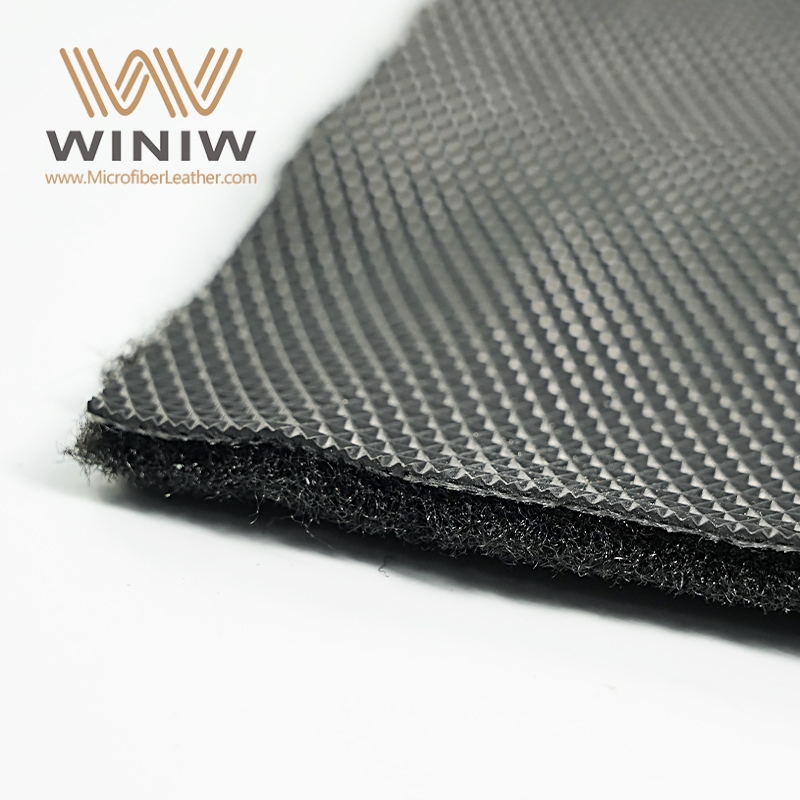
You will find many labels that look similar but have different meanings. Leatherette is a synthetic material made to mimic leather. It feels smooth and cleans easily, but it does not develop the same patina as genuine leather. Vegan leather uses plant-based or plastic materials. It offers a cruelty-free option, but it is usually thinner and less durable. Genuine leather comes from animal hide and ages gracefully with proper care.
| Material | Composition | Durability | Maintenance |
|---|---|---|---|
| Genuine Leather | Natural animal hide | Ages gracefully | Requires more care |
| Leatherette | Synthetic (plastic or vinyl) | More wear-resistant | Easier to clean |
| Vegan Leather | Plant-based or synthetic materials | Less durable | Varies by material |
You should always check if your car seats use genuine or imitation leather, since the comfort and lifespan can differ.
When to Ask for Proof
You can protect yourself from misleading claims by asking for documentation. Request the spec sheet from the dealership. Check the original window sticker, also called the Monroney label. If a seller cannot provide clear details about the upholstery, consider it a warning sign.
Note: Reliable sellers will always share information about the seat material. Do not hesitate to ask for proof before you buy.
You can spot car faux leather versus genuine leather by using simple tests. Try these steps:
- Press your nail into the leather.
- Inspect the texture and edges.
- Check labels for leather terms.
| Feature | Sof-Touch Leatherette | Genuine Leather |
|---|---|---|
| Durability | High | Needs care |
Trust your senses when checking leather seats.

FAQ
How can you tell if your car seats use genuine leather?
You can check the texture, smell, and edges. Genuine leather feels soft, shows natural grain, and has a unique scent. Try the fingernail test for confirmation.
Does genuine leather last longer than faux leather in cars?
Genuine leather usually lasts longer if you care for it. It resists wear and develops a patina over time. Faux leather may crack or peel faster.
What is the best way to clean genuine leather car seats?
Use a damp cloth and a cleaner made for genuine leather. Avoid harsh chemicals. Condition the seats regularly to keep the material soft and prevent drying.
Tip: Always test any cleaner on a small area of genuine leather first.
| Material | Cleaning Method | Longevity |
|---|---|---|
| Genuine leather | Leather cleaner, conditioner | High |
| Faux leather | Mild soap, water | Moderate |