
\You can learn how to manufacture pa'u microfiber by following a series of precise steps. At the Microfiber Pu Factory, you see advanced machines transform microfiber into a leather-like material. > The process for how to manufacture pu pa'u uses a unique microfiber structure, giving the final product its strength and flexibility.
Avea'i Autu
- Microfiber PU pa'u o le a durable and eco-friendly alternative to traditional leather, lasting 5-10 years and using 70-80% less water in production.
- The manufacturing process involves creating a strong nonwoven faavae microfiber, applying a polyurethane coating, and finishing with embossing for texture, ensuring a high-quality product.
- Microfiber leather is versatile, suitable for automotive interiors, mea fa'alelei, ma meafale, making it a popular choice for various industries due to its easy maintenance and stylish appearance.
O le a le Microfiber PU Paʻu?
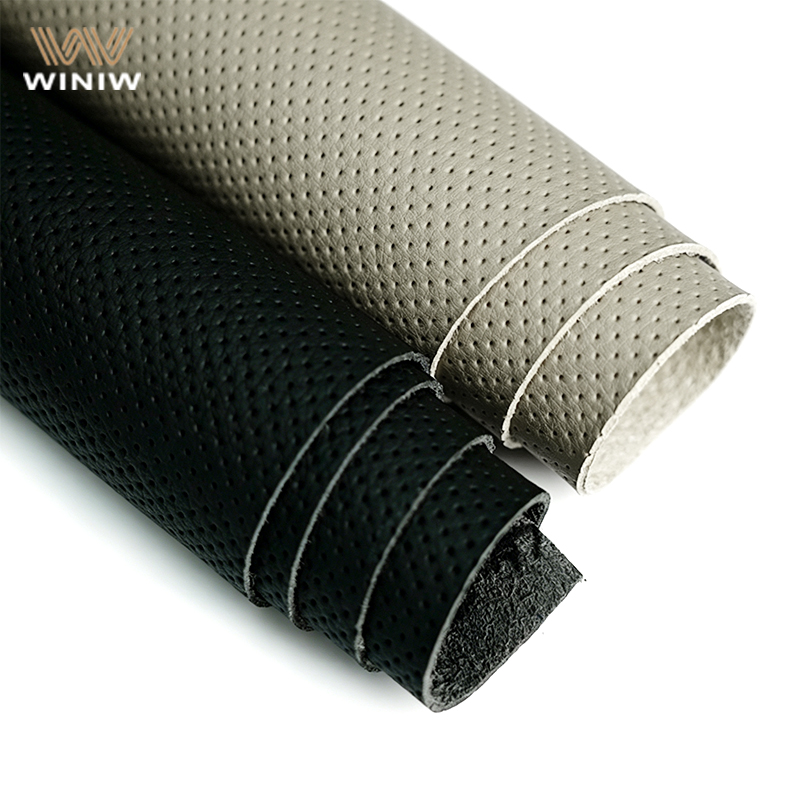
Microfiber Structure and Materials
You discover that microfiber PU pa'u uses advanced materials to mimic the feel and performance of natural leather. The base structure relies on polyamide fibers, which form a dense matrix similar to collagen. This design gives the material strength and flexibility. The factory combines these fibers with a polyurethane resin layer. The resin contains a mix of PU solution, palasitika, fa'amautu, and solid fillers. Binding agents and additives, such as polyhydric alcohol and epoxy resin, improve adhesion and durability. You can see the main components in the table below:
| Vaega | Fa'amatalaga |
|---|---|
| Polyamide Fiber Base Structure | Forms a dense, interconnected matrix similar to collagen in natural leather |
| PU Resin Layer Composition | 55% PU solution, 40% palasitika, 1% fa'amautu, 5% solid fillers |
| Binding Agents and Additives | Polyhydric alcohol, diisocyanate, epoxy resin for adhesion and durability |
The microfiber structure creates a tight fiber network. This network boosts durability and flexibility. You notice that the material resists scratches, pisia, ma masaa. Microfiber PU leather can last between five and ten years, which is much longer than standard PU leather.
Differences from Traditional PU Leather
You compare microfiber PU leather with traditional PU leather and see clear differences. Microfiber PU pa'u ofo a smoother and more uniform appearance. It resists cracking and tearing, while traditional PU leather shows wear sooner. O le laulau o loʻo i lalo o loʻo faʻaalia ai nei eseesega:
| Fa'aaliga | Microfiber PU Pa'u | PU Pa'u |
|---|---|---|
| Tulaga ola | 5-10 tausaga | 2-5 tausaga |
| Tumau | Sili, resists damage | E itiiti le umi, wears sooner |
| Fa'aaliga | Smoother, uniform | Le atoatoa faalenatura |
Microfiber PU leather also uses less water during manufacturing. You help the environment by choosing microfiber, since the process saves 70-80% more water compared to traditional leather tanning.
Microfiber Leather Manufacturing Process
You can understand the microfiber leather manufacturing process by breaking it down into clear steps. This process uses advanced technology and precise controls to create a product that looks and feels like real leather. The process of making microfiber leather involves several stages, each designed to enhance the strength, tumau, and appearance of the final material. You will see how the pa'u gaosia manufacturing process combines science and craftsmanship to deliver a high-quality product for automotive, meafale, ma fale gaosi oloa.
Nonwoven Microfiber Creation
You start the microfiber leather manufacturing process by creating a nonwoven microfiber base. This step uses ultra-fine synthetic fibers, pei ole polyester, polyamide, polyacrylonitrile, or polypropylene. These fibers form a dense, three-dimensional network that mimics the structure of natural leather. You see needle punching machines entangle the fibers, creating a strong and uniform fabric. After this, thermal bonding secures the fibers, giving the base the right density and resilience for the next steps in the production process.
- The base consists of:
- Microfiber: Malu, fine synthetic fibers that provide strength and flexibility.
- Orange fissile fibers: Multi-component fibers known for stable quality and high yield.
- Island fibers: Created using two-component spinning, often with polyester and polyamide.
This network forms the foundation for making microfiber leather. The dense structure ensures the material is easy to clean and highly absorbent, which is important for automotive interiors and other demanding applications.
Polyurethane Coating Process
Sosoo ai, you move to the polyurethane coating process. O iinei, the microfiber fabric receives a layer of polyurethane resin. The resin contains plasticizers, fa'amautu, and other additives to improve flexibility and durability. You apply the polyurethane to the wet microfiber base, allowing it to penetrate the fibers. The coated fabric then passes through a sink containing DMF, which solidifies the polyurethane and forms a flexible, durable layer.
You can use either a wet or dry coating method. In both cases, the process ensures the polyurethane bonds tightly to the microfiber base. This step is crucial in the synthetic leather manufacturing process, as it gives the material its leather-like texture and appearance. The coating also makes the surface easy to clean, which is a key benefit for automotive and furniture uses.
- The coating process includes:
- Dissolving polyurethane in a solvent for better fiber penetration.
- Immersing the coated fabric in water to solidify the polyurethane.
- Applying a thick layer to create the desired thickness and texture.
This process of making microfiber leather results in a product that is soft, mānava, ma tumau.
Embossing and Surface Finish
You now reach the embossing and surface finish stage. This step shapes the final look and feel of the microfiber leather. You use rollers to emboss patterns onto the surface, creating textures like leather grain, matte finishes, or custom designs. Embossing can replicate natural leather textures, such as crocodile or snake skin, or add geometric patterns for a modern look.
- Embossing methods:
- Rollers create tactile surfaces for enhanced touch and appearance.
- Patterns include animal designs and geometric shapes.
- Embossed microfiber leather is popular in automotive, seevae, ma meafale oloa.
Finishing techniques, such as debossing or adding a raised logo, improve durability and give the material a clean, premium appearance. The surface finish also makes the product easy to clean, which is essential for high-use environments.
Fa'amago, Fa'amalologa, and Cutting
The final steps in the microfiber leather manufacturing process involve drying, curing, and cutting. You dry the fabric to remove excess moisture before curing. O le standard curing time for ultrafine fiber leather ranges from 36 ia 48 itula. This process solidifies the polyurethane coating and ensures the product meets quality standards.
After curing, you condition the microfiber sheets to room temperature to relax internal tension. You then use manual or automatic die cutting for high-volume items, or CNC and laser cutting for precision shapes. This ensures consistent cutting depth and efficient use of material. You treat the edges with paint, wax, or PU sealant for a smooth, mae'a fa'apitoa.
- Drying and curing:
- Removes moisture and solidifies the coating.
- Ensures durability and long-lasting performance.
- Cutting and finishing:
- Prepares the material for shipment.
- Guarantees crisp edges and a professional look.
You can see that the microfiber leather manufacturing process uses advanced technology and strict quality controls. This process delivers a product that is easy to clean, tumau, and suitable for a wide range of applications, e aofia ai totonu o taavale, meafale, and fashion. If you want to learn how to manufacture pa'u pvc or how to manufacture pa'u silicone, you will find that the pvc leather manufacturing process and silicone leather manufacturing process share some similarities, but the microfiber process offers superior performance and versatility. The pu leather manufacturing process also follows similar steps, but microfiber leather stands out for its strength and longevity.
The process of making microfiber leather combines innovation and precision. You benefit from a material that is easy to clean, tumau, and perfect for automotive and other demanding uses.
Microfiber PU Factory Features
Strength and Durability
You notice that microfiber PU factories focus on producing materials with outstanding strength and durability. Skilled workers and advanced machines layer fibers evenly, which creates a consistent texture and reliable performance. Automated systems control the thickness and softness of the surface, so you get a product that feels luxurious and lasts longer. Factories test for tensile strength, tetee loimata, and color stability at every stage. You can see how microfiber leather compares to ordinary PU leather in the table below:
| Ituaiga Mea | Malosi Tetele (MPa) |
|---|---|
| Pa'u Microfiber | 15-20 |
| Pa'u PU masani | 8-12 |
Microfiber leather demonstrates exceptional abrasion resistance. It withstands wear and tear even after extensive use. You benefit from a material that keeps its appearance and performs well in demanding environments. Factories maintain strict quality control, checking raw materials for strength, fetuutuunai, and density. Certifications like Oeko-Tex Standard 100 ma ISO 9001 show a commitment to safety and environmental standards.
Versatility and Applications
You find that microfiber PU leather offers versatility across many industries. Manufacturers use it for a wide range of applications because of its durability and easy maintenance. In the automotive sector, you see it in seat covers and dashboards. The material resists stains and fading, which helps maintain a premium look over time. Its lightweight nature improves fuel efficiency in vehicles.
In the fashion industry, you notice a shift toward vegan and sustainable materials. Microfiber leather appears in handbags, atotupe, fusipa'u, ma seevae. It provides a stylish look and supports precise matching across components. Furniture makers choose microfiber for sofas and chairs, especially for families and pet owners, because it is easy to clean and withstands frequent use. Sporting goods manufacturers use it for gym bags, yoga mats, ma mea e puipui ai, where durability and aesthetic appeal matter.
- Common applications include:
- Fashion accessories such as handbags, atotupe, ma seevae
- Automotive interiors like seat covers and dashboards
- Furniture upholstery for sofas and aiga furnishings
- Sporting goods including gym bags and yoga mats
You see that microfiber PU factories deliver products that meet the needs of various industries. The material’s durability and versatility make it a preferred choice for many applications.
You can follow simple steps to create microfiber leather using a combination of microfiber and polyurethane. This affordable alternative to genuine leather offers softness, tete'e vai, ma le pisia. The process ensures consistent quality, making it a popular choice for manufacturers and consumers. Microfiber leather is the ideal choice for high-traffic areas.
| Ituaiga Pa'u | Tau Va'aiga (i sikuea mita) |
|---|---|
| Microfiber PU Pa'u | $50 – $150 |
| Pa'u PU masani | $10 – $30 |
| Pa'u Moni | $120 – $180 |
FAQ
How does a microfiber pu factory ensure consistent quality in microfiber leather?
You see that a microfiber pu factory uses advanced machines and strict quality checks. This process guarantees that every piece of microfiber leather meets high standards for strength and appearance.
What makes microfiber leather better than ordinary pu leather?
You notice that microfiber leather lasts longer and feels softer. The microfiber pu factory uses a unique structure, so microfiber leather resists scratches and stains better than regular pu leather.
Can you use microfiber leather from a microfiber pu factory for car seats?
You can use microfiber leather for car seats. The microfiber pu factory creates microfiber leather that resists fading, pisia, ma ofu. This makes it perfect for automotive interiors.